Staying in the family
Three generations of Fouga Magister pilots and their beloved jet trainer
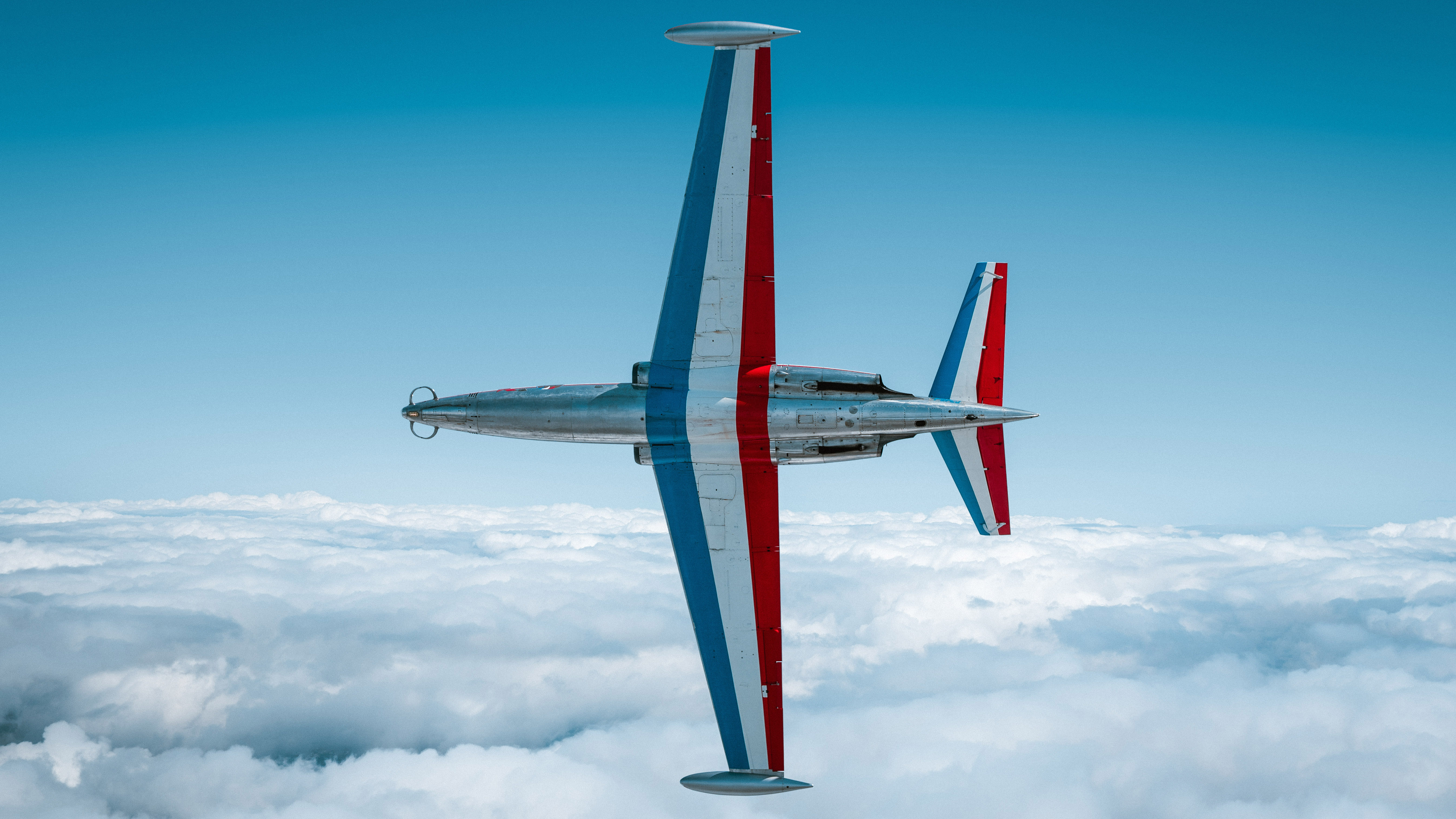
But this particular aircraft, with its mirror finish and blue-and-red accents, is more than just a branch of the local aviation genealogy; it’s been a part of the Gravelle family in northern France for three generations.
The Magister design first flew in 1952 and entered service as a trainer in the French Air Force in 1956. The first production aircraft designed specifically for military jet training, it derives its compact size and distinctive V-tail configuration from the glider that Fouga had fitted with a jet engine for testing, and the design saw great success as a trainer and light armed day fighter well into the 1980s.
For Arnaud and Étienne Gravelle, owners and operators of Crazy Magic Flight at Beauvais–Tillé Airport (LFOB), a little more than 40 miles outside of Paris, flying this aircraft is a treasured tradition and identity. Arnaud’s father, Claude, had been a pilot in the French Air Force, and after learning in the Magister for his initial training, he continued to fly it for 15 years as an instructor before moving on to the Mirage III RD, then the North American F–100 Super Sabre, and then flying commercial jets. When the French Air Force started selling the Magisters in 1996, he bought one. Originally intending to fly it in his retirement just for fun, he soon realized what a demand there was for flights in the aircraft and created an association to share the experience.


By that time, Arnaud was at the beginning of a busy airline flying career, and Étienne had just been born, so Arnaud didn’t have time to be much involved with his father’s aircraft. It wasn’t until about a decade later that Claude spoke to Arnaud about wanting to pass the aircraft on to him and encouraged him to get a type rating. The timing worked out, and Arnaud became involved and started giving discovery flights in the Magister. When Claude died in 2014, Arnaud considered selling the aircraft because of the amount of time and effort required to keep it operational and give rides, but Étienne, then 16, insisted on keeping it, and offered his help in any way he could. Now he is a type-rated pilot giving discovery flights and demonstrations of the aircraft in airshows and is instrumental in the operation of the organization. Arnaud is still an airline pilot and also flies the Magister, while Étienne is in charge of the care of the aircraft as well as running his own company, SEM Aero.
They both call the Magister the best aircraft they have ever flown. It’s light and handles well—the pushrod flight controls are responsive and precise. Although it’s not very powerful, it is aerodynamically efficient with pleasant flight characteristics.
“Even with, say, a 4 Gs turn, you are not increasing the drag, it’s just doing the turn,” Arnaud says. “You don’t degrade energy.” To achieve a remarkably low failure rate, they devote around 1,000 hours of labor per year to the aircraft’s maintenance and appearance.
“We’ve had to cancel a flight for technical reasons less than five times in the past 15 years,” Étienne says. “Once or twice, we found during the preflight something that we have to fix, but it was maybe two hours of mechanics—a hydraulic leak, starter issue, a faulty gear sensor that wasn’t even broken, only the screw popped out. We reset at the correct position, put the locking pin back in place, and that was it. In this particular case, we flew two hours after.”
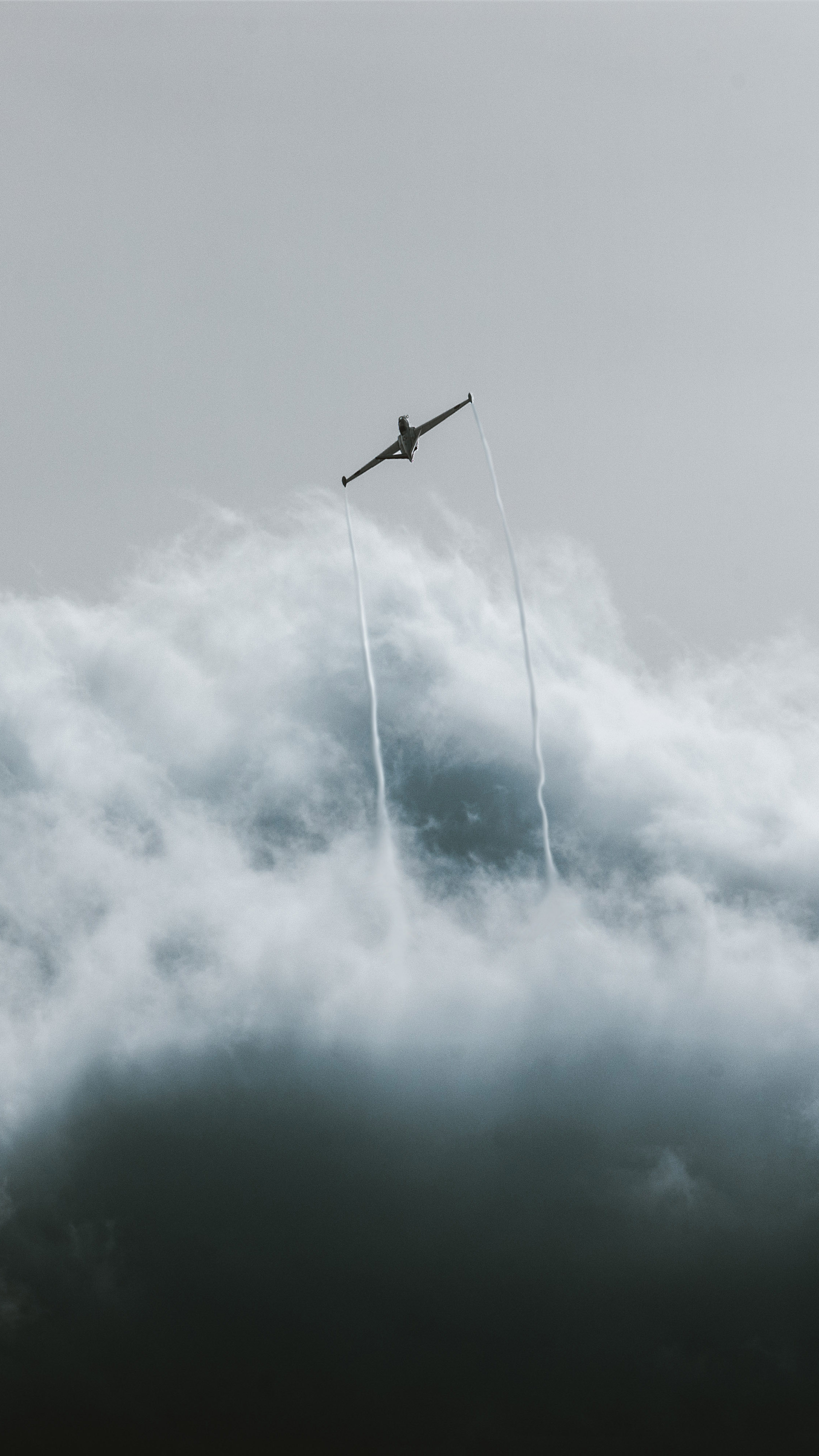
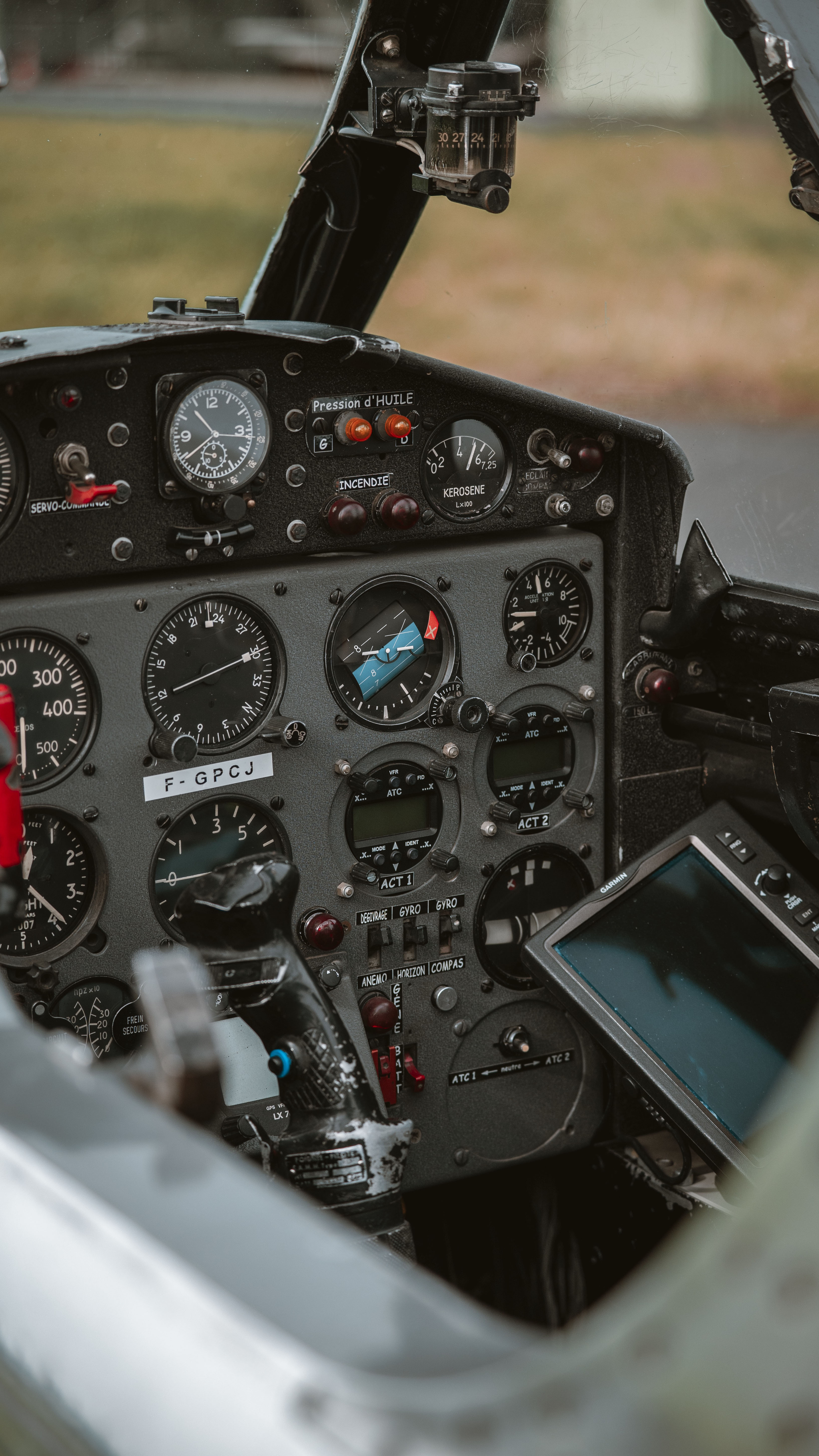
All the maintenance must be done in-house, and they build everything they need, from screws to O-rings, reengineering and remaking parts. “If you buy a Fouga, you need to buy a factory,” Étienne jokes. He created SEM Aero to specialize in the maintenance and overhaul of French aeronautical equipment, modernization and remanufacturing work, and other services to support both their Magister and other owners with similar aircraft who have the same needs. The father and son’s enthusiasm and pride for this endeavor are obvious, and this pristine, graceful jet is always surrounded by big smiles.
“It just looks beautiful,” says Arnaud. “It is like one of those vintage sports cars, you can tell that’s the quality of it.”
The father-and-son team continues to enjoy flying demonstrations in airshows, mostly in France, but their main focal point is discovery flights—thorough, personally tailored introductions at the passengers’ own pace, with sightseeing and gentle aerobatics. For the Gravelle family, it was never about chasing a thrill but taking the time to appreciate the experience of this classic aircraft. 
 crazymagicflight.fr
Related Articles


