Think utilitarian
Planning a budget IFR upgrade
By Larry Anglisano
It used to be easy. Before the age of big-screen glass and advanced IFR GPS navigators, the cat’s pajamas of IFR avionics upgrades often meant installing a couple of King KX155 or Narco MK12D digital nav/coms, a DME and an ADF, and if you had some cushion in the budget, an HSI. The technology has changed for the better and we’ll never look back.
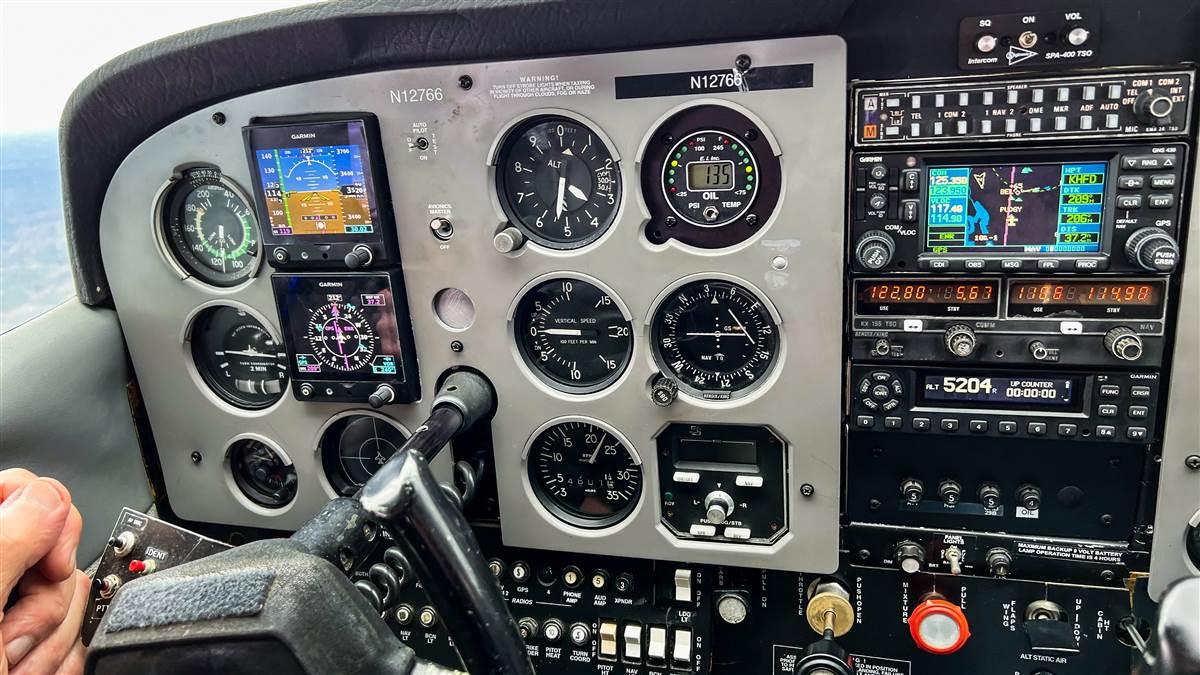
But on the lower end of the IFR upgrade spectrum, it’s a complicated decision. There seem to be endless configurations of displays and GPS navigators, plus the muddy decision of retaining some of the equipment that might already be in place. Here’s a primer to start your planning before hitting the avionics shops for proposals.
What is budget IFR?
Don’t confuse budget with cheap because even the most basic IFR upgrades for an aircraft that hasn’t seen an avionics shop in years will generate big invoices. For general planning on an IFR upgrade, start with the regs. Specifically, FAR 91.205 lists the basic equipage requirements for operating the aircraft IFR.
I define a budget IFR upgrade as one that doesn’t require cutting or heavily modifying the instrument panel. It might also include retaining some of the existing older equipment, but I suggest working closely with the shop to determine what equipment is a long-term keeper. As an example, consider retaining a digital nav/com as a backup instead of buying a new one.
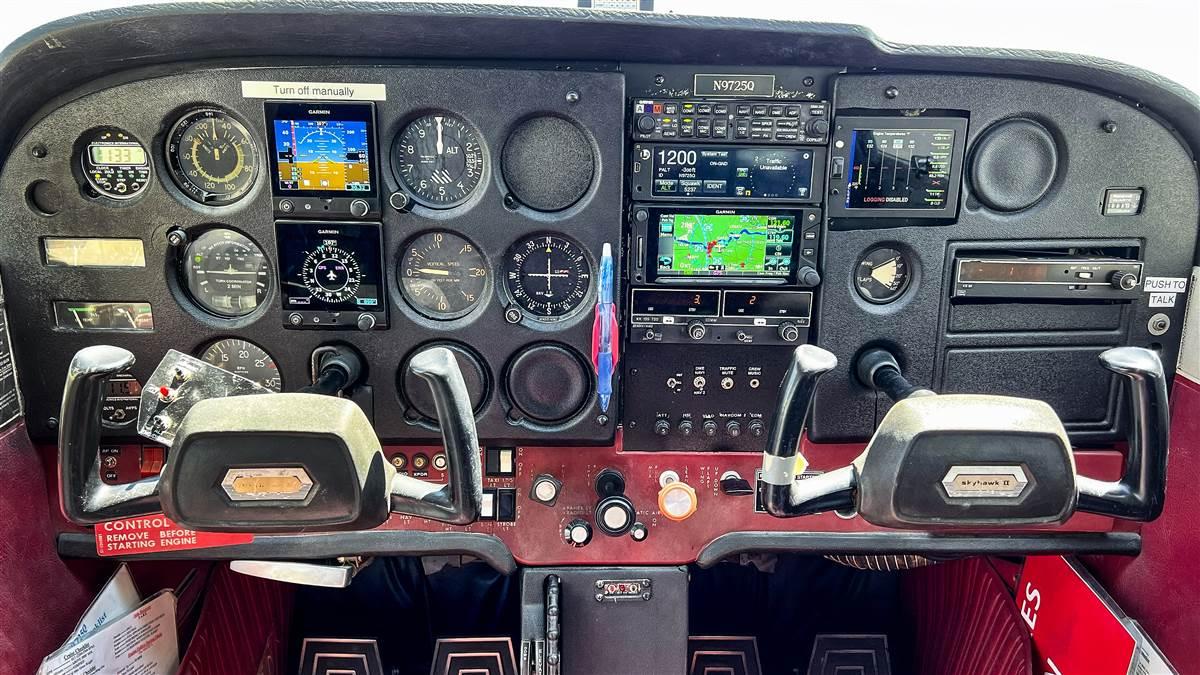
A budget IFR upgrade might also mean doing without a VHF nav radio. Garmin’s slim-line WAAS navigators have all the modern features you would expect, but unlike the flagship GTN series, they don’t have VOR/ILS receivers. For light IFR, these are generally acceptable, especially if you retain an older nav/com as a backup, which might have a VHF glideslope.
Last, accept that in a budget IFR upgrade you’ll sacrifice screen size. But this simplifies the physical installation. Moreover, a budget IFR upgrade could mean retaining mechanical flight instruments and skipping glass altogether. It also could mean keeping the basic autopilot (I think an autopilot is imperative) instead of upgrading to the latest models. Again, work closely with your shop so you don’t throw good money after bad in trying to get an old autopilot working.
Which budget gear?
I’ll lay a general plan that might make sense for the most capability for a limited upgrade budget. Once you’ve prioritized, start with the radio stack and the unit that’s often at the top: the audio panel.
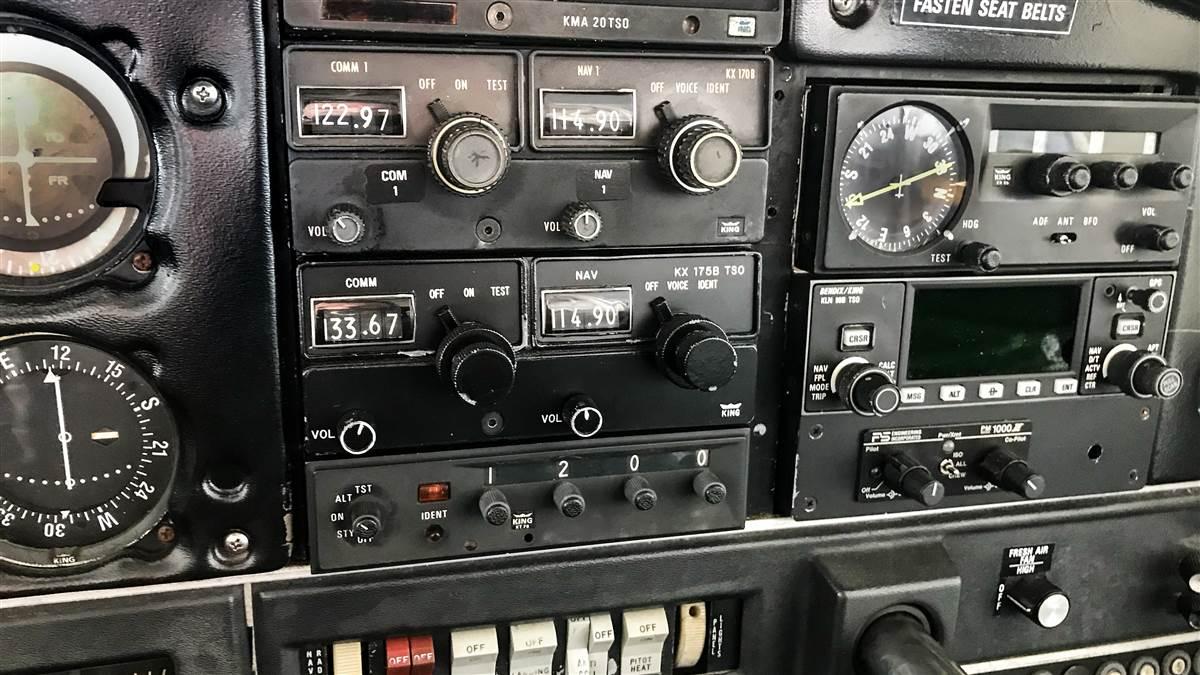
For years I’ve urged owners to start any major upgrade by assessing the aircraft’s audio system, and for IFR flying, it’s imperative to have clear, problem-free transmissions and clear reception. Since you’ll likely have two com radios in your new stack for redundancy, you’ll need to switch between the two and an audio panel is the best way to do it. Every modern audio panel also has a built-in intercom, and most have Bluetooth capability.
One budget model I can recommend from experience is the PS Engineering PMA450B. With generous features, high-quality audio, and an under-$3,000 list price, it packs a big punch. Garmin’s GMA 345 Bluetooth panel is priced at around $2,500. Installation costs will vary widely depending on the interface and the amount of disassembly required to install the audio jacks.
No matter which audio system you choose, don’t skimp on the installation because the quality of the wiring is directly related to the audio quality. Old, leftover non-shielded wiring generally isn’t a good idea. Ask the shop if it plans to remove all the old wiring. Our Piper stack example has mostly all the original avionics wiring still in place, and this upgrade is an opportunity to clean it up.
The transponder, Mode C, and ADS-B Out systems are required for any IFR aircraft, and there are more combinations than I can list in one article. For a budget upgrade in an aircraft that still doesn’t have mandate-compliant ADS-B, some of the many options are the uAvionix skyBeacon and tailBeacon units. These also add LED lighting and, in many airplanes, can drop into the existing wing tip position light or taillight mount, while using much of the existing wiring. These uAvionix systems are priced under $2,500. There are important distinctions between 978 MHz UAT and 1090 MHz ES units. The more cost-effective 978 MHz units are ideal for low-altitude U.S. operations but are not suitable for international flights or Class A airspace. Talk with your shop to determine the best approach for an ADS-B upgrade if there isn’t one in place.
GPS navigators, ground-based nav
In a budget IFR upgrade, you’ll have to make some tough choices. You’re trying to save money with a utilitarian approach, but you don’t want to leave yourself short in capabilities. When it comes to selecting a GPS, the first thing you should do is consider your mission.
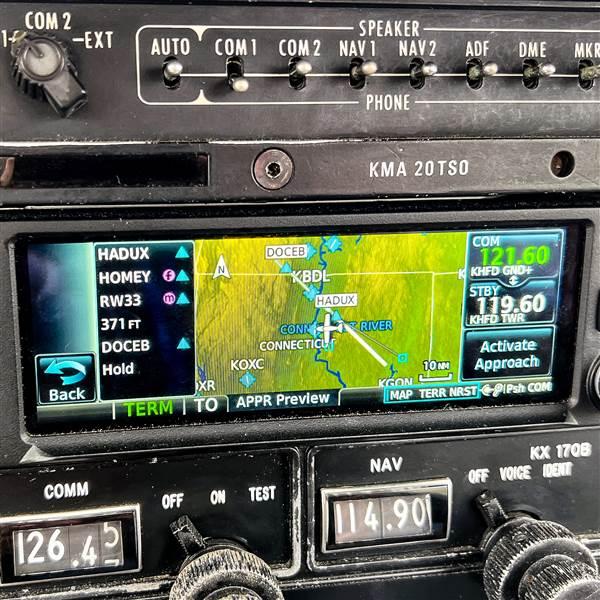
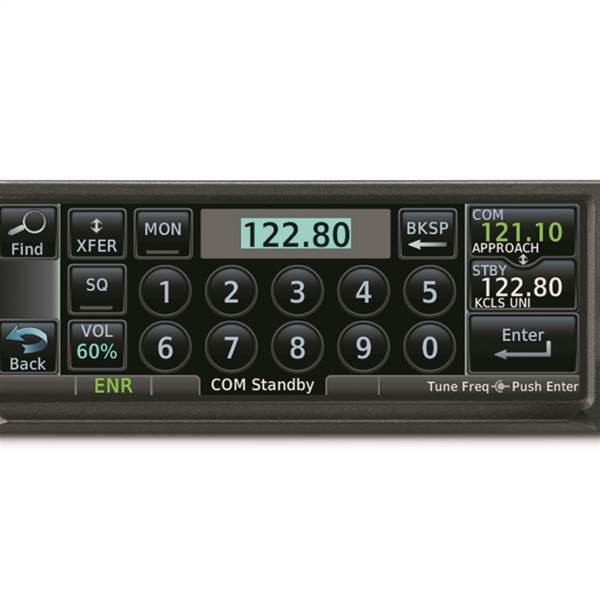
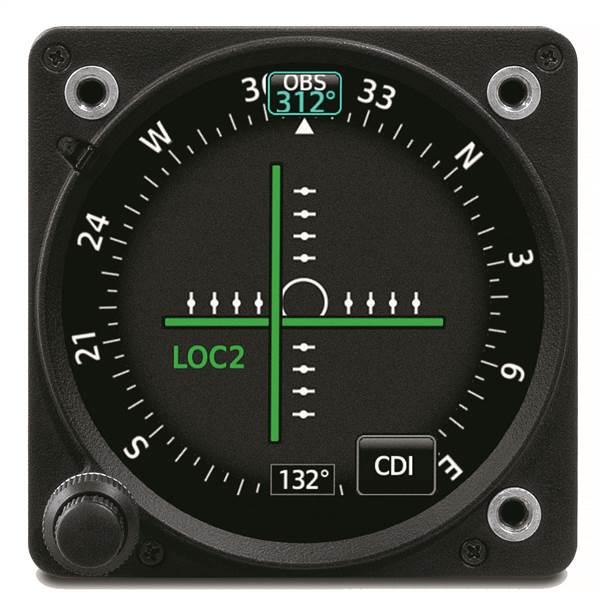
If you’re comfortable giving up all ground-based VHF navigation capability and plan to fly only GPS approaches, Garmin makes three space-saving units that are strictly WAAS GPS equipped. There’s the standalone $6,195 GPS 175 navigator, the $8,495 GNC 355 GPS/com, and the GNX 375—which has a built-in ADS-B transponder. For aircraft that haven’t been upgraded to ADS-B, it packs a big punch at $9,295. If the airplane is already ADS-B equipped, the GNC 355 makes sense because of its built-in com radio. As a secondary backup radio, I would choose something like Garmin’s GTR 205 or Trig Avionics TY96/TY97. If you want a VHF nav radio to back up the GPS, Trig’s TX56/TX57 series nav/coms are budget priced and loaded with useful features. Remember that IFR GPS navigators require a CDI, and while there are options including Garmin’s GI-106 series mechanical CDIs (the Garmin budget navigators also interface with some legacy third-party indicators), an EFIS will come in handy because it will display both GPS and VHF nav raw data.
EFIS upgrades
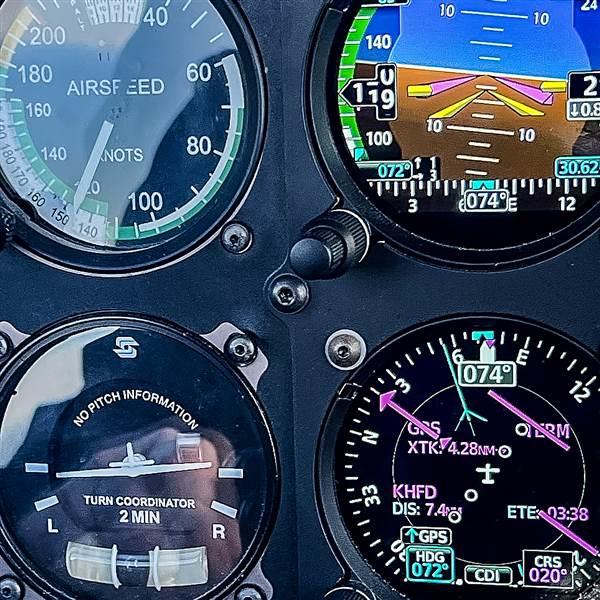
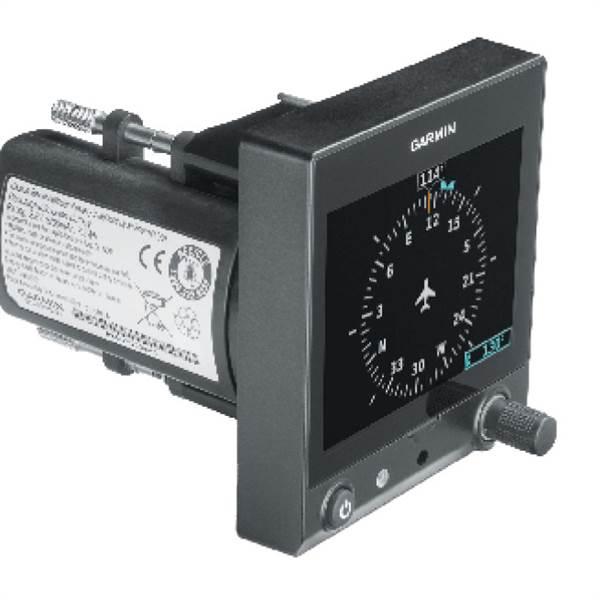
For many, even an IFR upgrade on a budget is the time to ditch the vacuum-driven instruments for good. To save money, sacrificing screen size is a reality. But that’s becoming a crowded market that will take some planning and a good demo. For years, Garmin’s G5 flight displays have been a popular choice for budget upgrades, but they lack some of the features you’d find in higher-end displays, including synthetic vision and touchscreen. Two G5 instruments connected together offer reversionary ADAHRS should one fail, plus there’s a four-hour battery backup. Because of the supplemental type certificate requirements, even dual G5 flight instruments can’t replace the entire six-pack of flight instruments. Instead, they’ll replace the existing attitude indicator or directional gyro, or a single G5 attitude instrument can replace the rate-of-turn instrument. The G5 used as an electronic DG/HSI will require Garmin’s remote magnetometer, bumping its price to around $4,000. The G5 attitude indicator is $3,095.
This doesn’t include installation, of course, and some panel work may be required if the airplane still sports the plastic instrument panel overlay. The G5 instrument fits in a standard round instrument cutout, but has a square bezel, which means having to modify the overlay.
Garmin solved that issue with the later GI 275 flight instruments. With a form factor that directly replaces most three-inch round instruments, the GI 275 is aimed at incremental upgrades without the extra work of building a new metal panel (or modifying the plastic overlays, if equipped). For a typical IFR installation, you’ll want the $4,195 GI 275 ADAHRS, which is the one for use as a primary and standalone EFIS because it has sensors for displaying all primary flight data. A second GI 275 HSI ($4,595) is a common option to replace a round-gauge directional gyro, and like the G5 instrument, it connects with the optional GMU 11 magnetometer.
While the GI 275 instruments have more functions than basic attitude and heading display (some versions have engine monitoring and map displays), when used as primary flight instruments they must be locked to display attitude and heading. You can display Garmin’s ESV synthetic vision for an extra $995 software unlock.
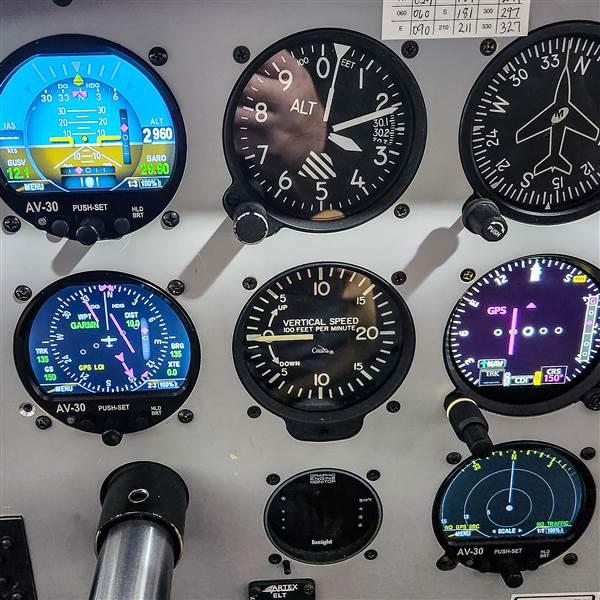
Last, the uAvionix AV-30-C (the C means certified) is worth a look. While it has been slow to mature, recent software and hardware mods finally make the AV-30 EHSI functional for IFR capabilities. The AV-30-C has an STC with approved model list (AML) that blankets a wide variety of single-engine aircraft with speeds below 200 knots. It’s approved as a standalone attitude indicator, as an electronic DG, as a replacement for a slip-skid indicator, and it can even be used as a controller for uAvionix ADS-B/transponder systems. But there are remote accessories that boost the interface to IFR standards. For interfacing the display with Garmin and Avidyne GPS navigators to display lateral and vertical course data (it also works with Trig Avionics and Garmin nav/com radios), you’ll need the AV-HSI analog to digital converter. A pair of AV-30-C units are around $6,000, plus installation.
At Aspen Avionics, the under-$5,000 Evolution E5 is designed to fit in place of the full-sized mechanical attitude and directional gyros, but modification is required if the panel has a plastic overlay. You’ll recognize the budget-minded E5 when compared to other Evolution displays, but Aspen improved its 6.0-inch TFT active-matrix LCD display. It has 32,768 colors, a 400 by 760 display resolution and high-intensity white LED backlighting, making it notably brighter than earlier Aspen displays. But plan on some installation effort. The E5 comes with a remote sensor module (RSM), which works together with the sensors inside the E5 for 3D magnetic heading and GPS computations. The RSM installs much like an external GPS antenna and its placement in an interference-free area on the top of the fuselage is critical for accurate heading resolution.
There isn’t a one-size-fits-all solution, but for a budget IFR upgrade, I would target $30,000 as a realistic budget. If that seems like a lot, it is, but consider that flagship avionics upgrades can top $80,000 or more. As “Address Supporting Systems First,” on p. 80 explains, it’s the many extras that add to the bottom line, but they’re necessary. 
Larry Anglisano is an aviation journalist with more than 30 years of experience working as an avionics technician. He is an active land, sea, and glider pilot; owns a Van’s RV–12; and has been flying for 40 years.
Related Articles


