Retracing a victory lap
A 31-mile tribute, 100 years later

A century earlier (we missed it by eight days), Jimmy Doolittle flew the same route to win the 1925 Schneider Trophy. Our time of 14 minutes and 26 seconds averaged 129 mph. Respectable, but far slower than Doolittle’s blistering 232-mph pace. Still, it was thrilling.
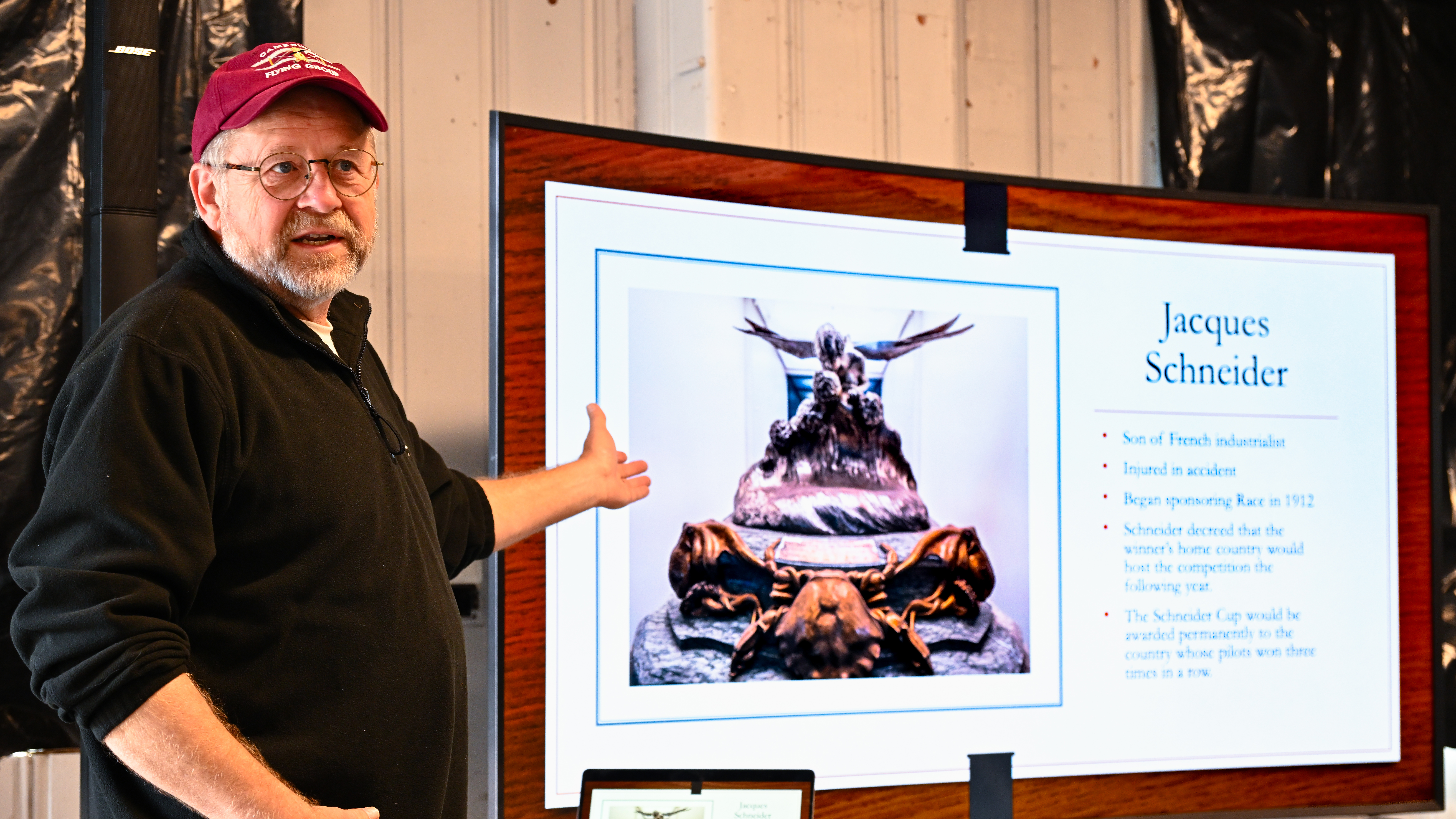
The “victory lap” wasn’t part of the original plan for the airshow. It was an inspired addition dreamed up by pilot and professional photographer Edwin Remsberg, whose love for aviation history helped shape this centennial tribute. Pilots were invited to fly the route on their own and earn a commemorative patch. After landing at Essex Skypark (W48) for Wings & Wheels, we met with Remsberg, who had given a presentation on Doolittle, the Schneider Trophy, and the legacy of that 1925 race. As Remsberg explained, the technology refined for the Schneider races helped shape the Rolls-Royce Merlin engine and advance the high-octane fuels that later powered Supermarine Spitfires and P–51 Mustangs in World War II.Days like these bring history back into focus.
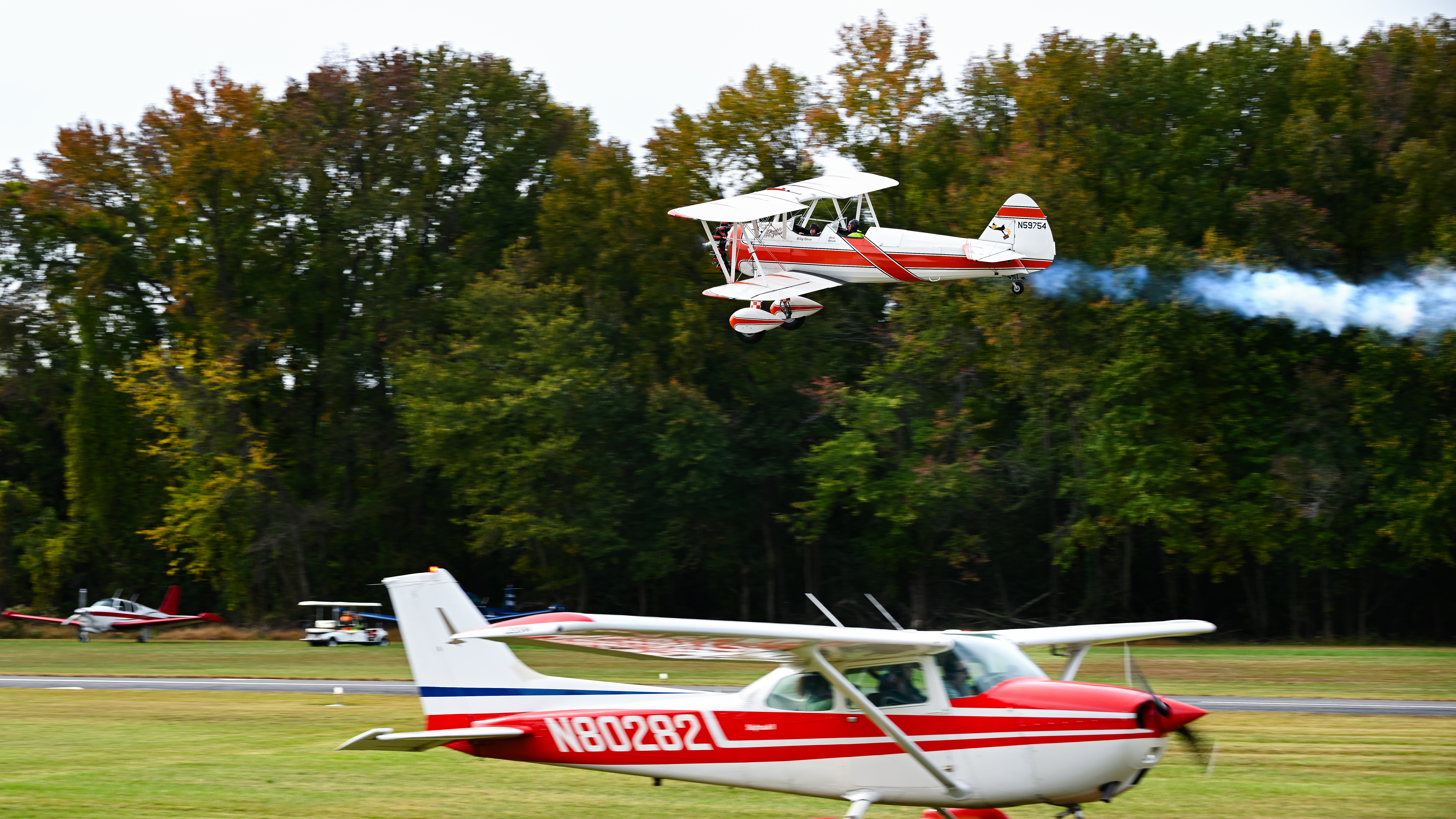
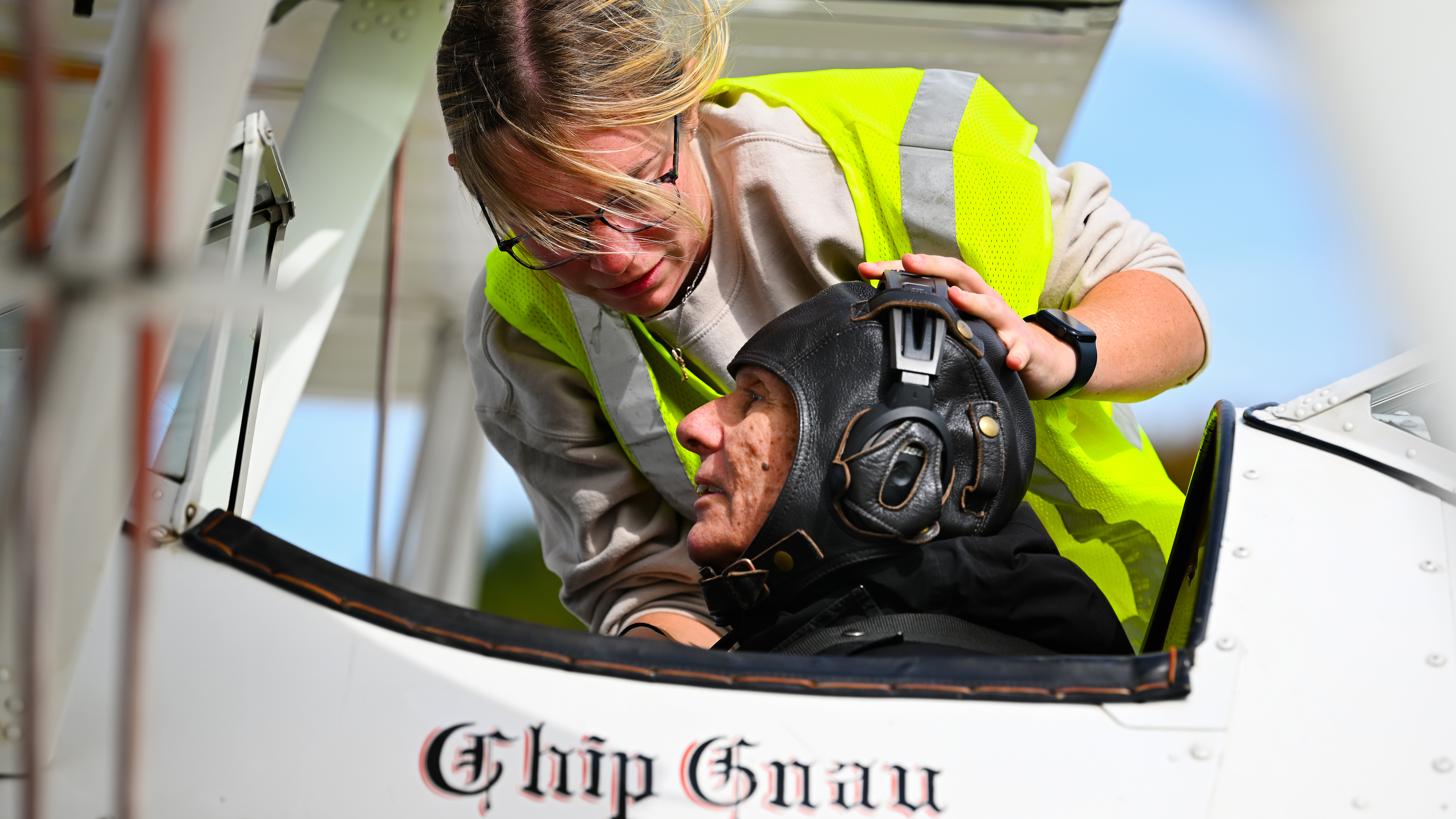
Throughout the day, Wings & Wheels filled Essex Skypark with life. The volunteer-run field buzzed with engines and conversation; music spilling out from hangars as visitors wandered between rows of vintage aircraft and classic cars. Walking through the crowd, it was clear how much this annual gathering meant to everyone: a celebration of flight itself, and a reminder that aviation history isn’t confined to museums. It lives on in places like this, in the people who show up, and in the skies above.
In a world racing toward the next innovation, it’s easy to forget how far we’ve come. But days like these bring that history back into focus. They remind us of the aviators who took the risks, the communities who supported them, and the inspiration they still offer. Whether racing in the “victory lap,” flying to the airshow, or simply watching from the grass, we’re all part of the same story—the journey of flight that continues to connect us, captivate us, and keep history alive in the hearts of all who take to the skies. 

Related Articles


