Short-field jet landings
Same physics as a Super Cub
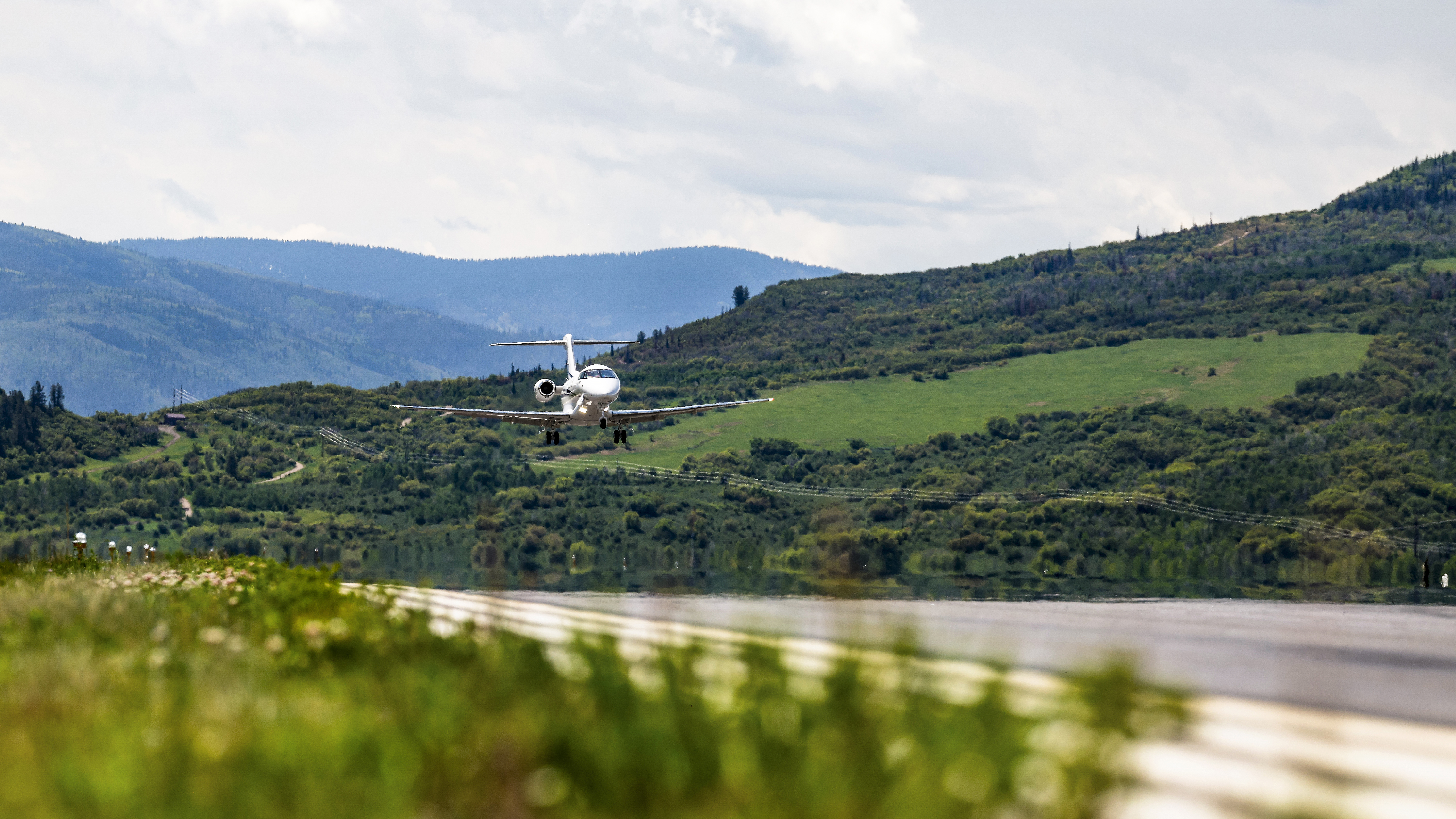
Consider backcountry pilots who fly specialized STOL aircraft like Piper PA–18 Super Cubs and Aviat Huskys. They’ve made STOL into both an art form and a competitive sport, yet their airplanes require so little runway when landing, there’s seldom any operational imperative to drag them in and bang them on—but they do so regularly.
Turbine pilots flying corporate jets seldom practice short-field landings during simulator training or in the real world, yet they’re frequently operating at close-in urban airports that demand precise short-field technique.
Physics is physics, so the same principles apply to landing short in props and jets: Touch down at minimum speed, transfer the aircraft’s full weight to the wheels quickly, and brake forcefully.
STOL competitors take these notions to extremes by plopping down hard on spongy tundra tires, immediately raising fast-moving manual flaps, and braking aggressively. Jet pilots employ similar strategies—and they’ve got additional tools that STOL pilots lack. Trailing link landing gear with shock absorbers to cushion the impact at touchdown; spoilers and ground flaps that instantly shift weight to the wheels; reverse engine thrust for extra stopping power, and anti-skid brakes for maximum traction.

Piston engines and propellers give pilots the benefit of instant throttle response and rapid acceleration and deceleration. That allows short-field approaches at tremendously slow speeds that are well behind the power curve. STOL competitors typically hang their airplanes on the props as they approach at high power, then chop the throttle to idle so that their main wheels touch down just beyond the chalk measuring line.
Turbine engines don’t react as quickly, so acceleration and deceleration take more time. But jets tend to have much higher wing loading, and that makes them more stable in choppy air and less likely to float when making a spot landing. Some jets and turboprops are even equipped with autothrottles for precise airspeed control. When combined with a digital flightpath marker, short-field jet landings become an elaborate video game of aiming the green dot at the runway threshold and using the aircraft controls to keep it there.“Every aeronautical decision has to be made on its own merits. Sometimes discretion really is the better part of valor.”—Daniel Stegeman
Bryan Adamez, a Maryland corporate pilot who owns and flies an Aviat Husky, said the short-field landing techniques he spent years practicing in his recreational aircraft also apply to jets.
“I regularly fly a Cessna Citation to a 3,000-foot runway on the Outer Banks, and I don’t think I’d be comfortable doing that without the STOL experience I’ve gained over the years in the Husky,” he said (see “Short-Field Citation,” March 2024 AOPA Pilot Turbine Edition). “They’re obviously totally different airplanes but they both talk to the pilot, and they both require flying by feel during short-field approaches and landings.”
Daniel Stegeman, a jet aircraft fleet manager and flight instructor in Pennsylvania, said jets come with the advantage of extremely accurate performance data—but pilots must fly with accuracy to get those numbers.
“The data doesn’t do you any good if you’re 10 knots fast on final,” he said. “It only applies if you’re on speed, properly configured, and flying a fully functional airplane.”
Stegeman regularly flies jets in and out of Brandywine Regional Airport (OQN) where the runway is 3,347 feet long and 50 feet wide—exceptionally tight by jet standards. An essential first step for flying jets to short runways, he says, is rejecting the time-honored pilot goal of touching down softly.
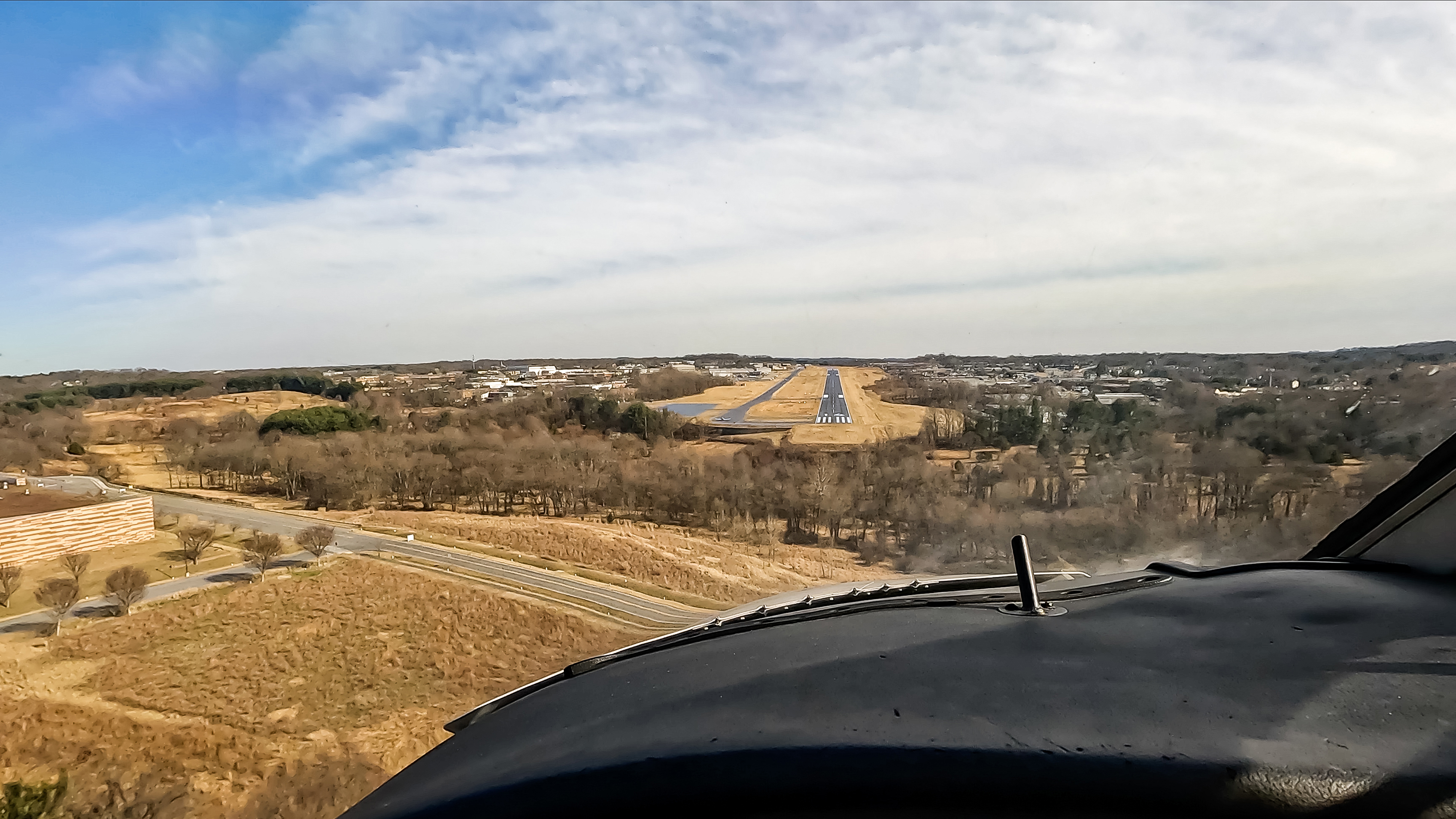
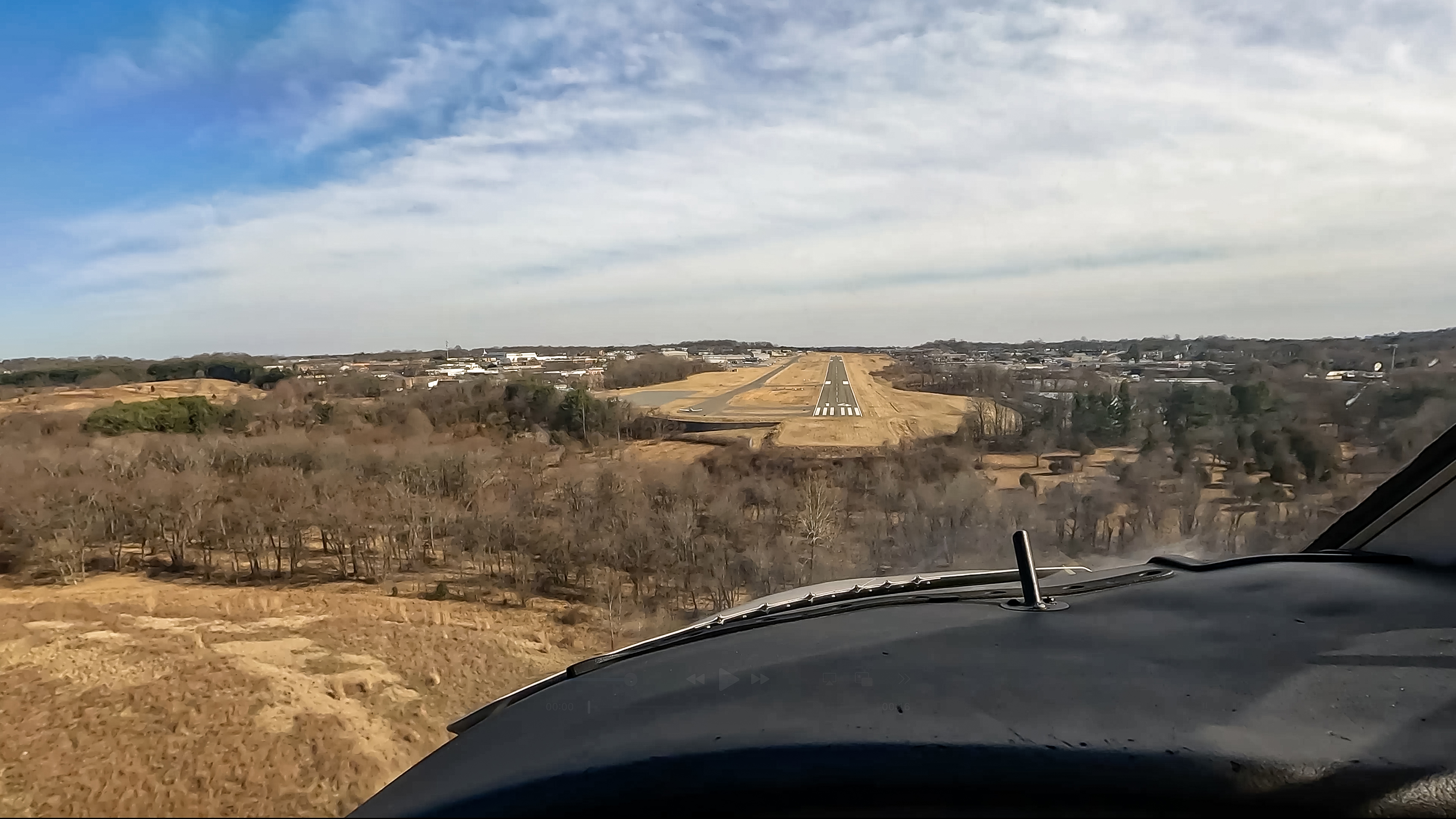
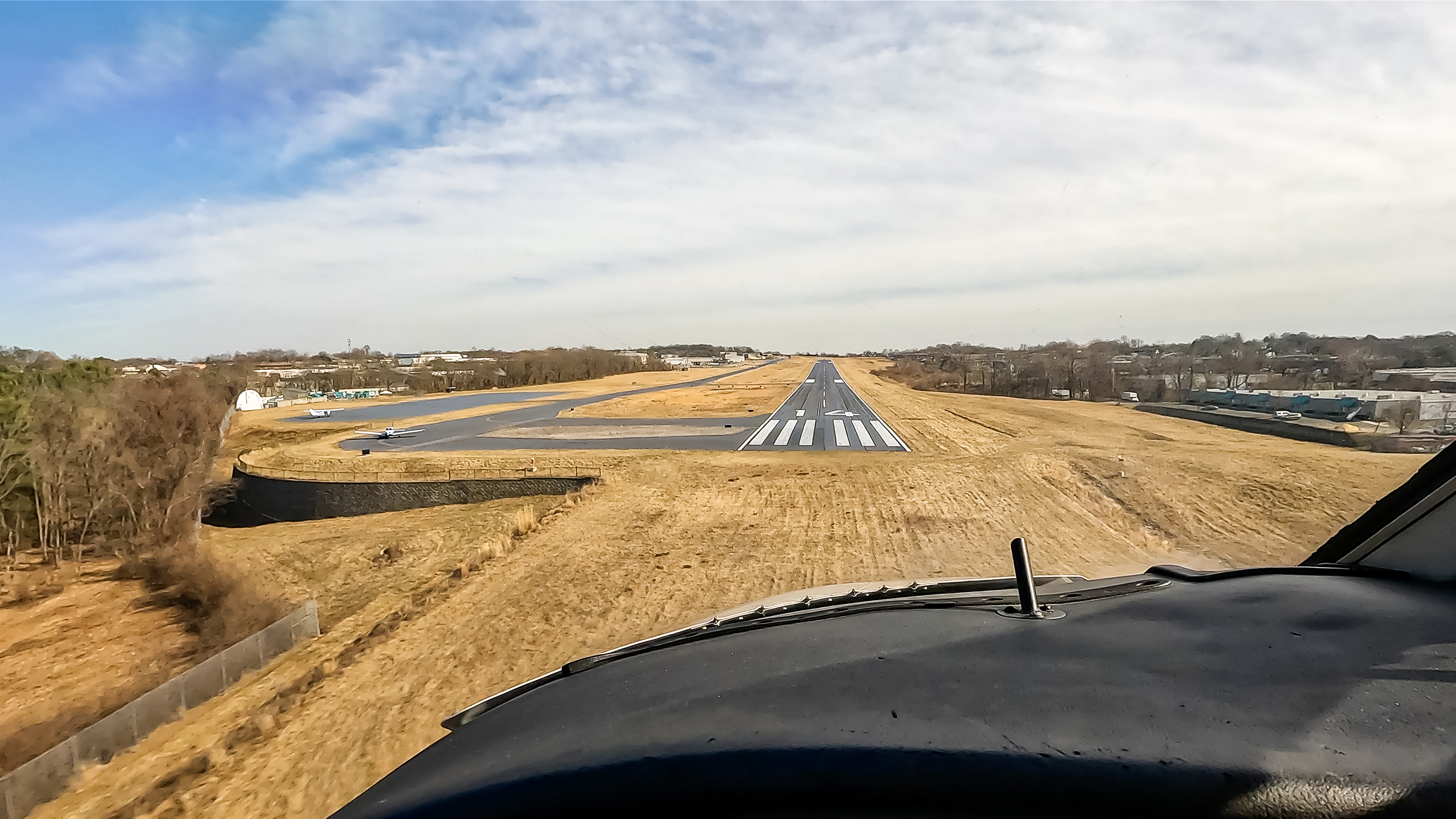
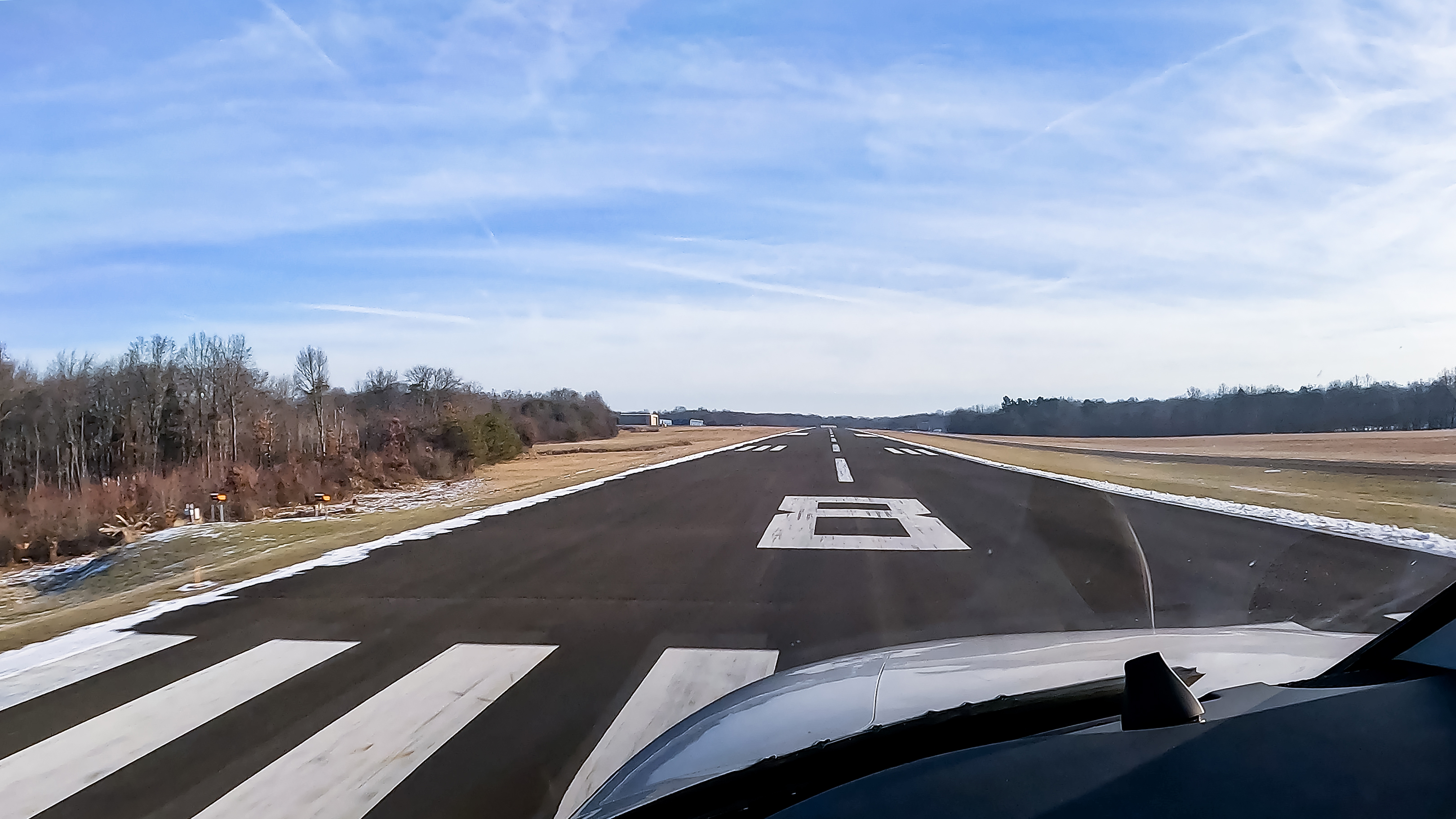
“Short runways require planting the main gear firmly,” he said. “You don’t get style points for a roll-on landing. In fact, smoothness counts against you. Nail your approach speed, hit your landing spot firmly, then get on the brakes and you’ll find the runway distance at Brandywine is sufficient.”
Pilots who fly corporate jets based at airports with short runways often face additional pressure to come and go in adverse conditions as well as the danger of complacency.
“It’s natural to get comfortable once you’ve taken off and landed on a challenging runway many times,” Stegeman said. “But that comfort in itself should be a warning sign.”
He said he won’t take off or land a jet at Brandywine, for example, if the runway is wet or icy because there’s not enough margin.
“It’s tempting to think you’ve got enough experience to get away with it. Your clients’ cars may be parked there, and you want to deliver them to the place they want to be,” he said.
“But every aeronautical decision has to be made on its own merits. And if the data doesn’t support landing on a wet runway, don’t land on the wet runway.”
Stegeman said the most valuable thing pilots can offer their passengers is good judgment.
“Sometimes discretion really is the better part of valor.” 

Related Articles


