Flying in the cold
There’s more to consider than staying warm
With a little care, most general aviation piston airplanes are capable of flying in temperatures much colder than we’re willing to endure—just consider all the airplanes that fly in Alaska during the winter months. These tips will keep you and your airplane warm and safe, and ensure enjoyable flying and peak aircraft performance in the cool dense winter air.

Illustration by Charles Floyd.
- Remove all ice, snow, and frost from flying surfaces. Even a small amount of frost will reduce lift and increase stalling speed. Also check to ensure no ice is obstructing the pitot tube or fuel vents.
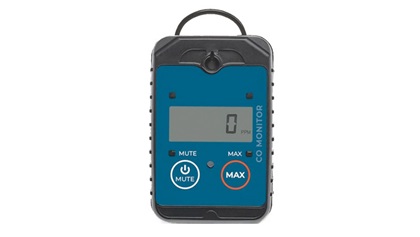 Make certain the aicraft has a carbon monoxide detector. When it’s cold in the cabin, you’ll be cranking the cabin heat to max. Most light aircraft are heated using air that is warmed in an exhaust muffler shroud. If the shroud has cracks or leaks, carbon monoxide can enter the cockpit leading to carbon monoxide poisoning. A CO detector will warn you of potential exposure before you are affected.
- Watch for contaminated taxiways and runways. While snow is easy to spot, ice can be very difficult to see on asphalt and is referred to as black ice. When taxiways and runways are icy and slippery, your tires may not have enough grip to stop the airplane quickly or to resist winds that could cause the airplane to weathervane. Slow taxiing will help maintain control.
- Use an aircraft winterization kit. Many aircraft have winterization kits that cover the oil cooler intake and block some of the airflow that cools the engine’s cylinder heads. Not only will these kits help the engine reach normal operating temperatures of about 180 degrees Fahrenheit, it will also help the cabin heat system keep you warm.
 Dress warm. Wearing multiple layers of clothing works best so you can shed layers as you get warm, or add layers as you get cold. For extra heat—on the ramp and in the airplane—consider using battery powered socks, gloves and jackets. And before you get in the airplane ask yourself: “If I have a forced landing, will I be able to walk to get help with what I am wearing or have in the airplane without freezing?”
- Preheat when temperatures are near freezing. The highest wear on an engine is during a cold start. Some aircraft engines will struggle to start at all in cold weather unless they have been preheated. To extend engine life and ensure an easy start when cold, preheat the engine with either an external forced air system or with electrically heated pads attached to the engine that can be plugged into an outlet. Most FBOs provide preheat services for a fee.

Kollin Stagnito
Senior Vice President of Media
Senior Vice President of Media Kollin Stagnito is a commercial pilot, advanced and instrument ground instructor and a certificated remote pilot. He owns a 1953 Cessna 170B.
Related Articles


