‘Crash Considerations’
ASI launches ‘Expert Insights’ video series featuring aviation safety specialists

So, what are some of the things that are important to remember if you get into a situation where an off-airport landing is inevitable? Let’s ask an expert.
This year, ASI launched a new video format, called Expert Insights, to answer these kinds of questions. Expert Insights is an ambitious project that features specialists in their fields who will—we hope—help general aviation pilots better prepare for every flight and make smarter decisions.
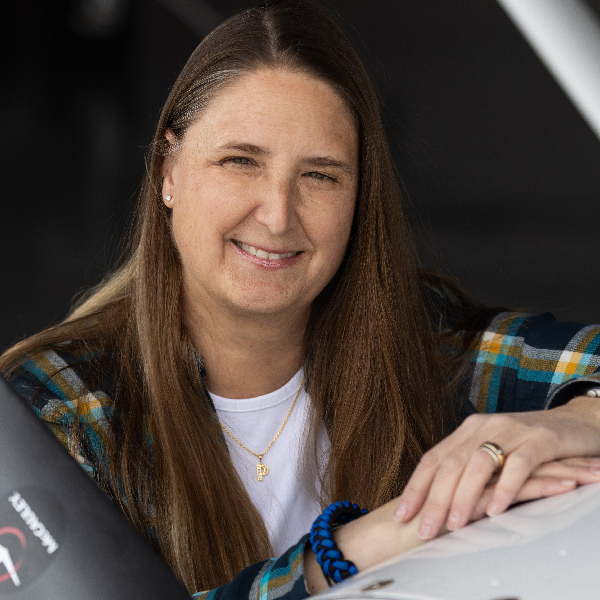
In the first series of five short videos, professional pilot, flight instructor, and experienced aviation accident investigator Melanie Folcik Barillaro shares her expertise and knowledge about airplane crashes.
Her headline: “Any crash is survivable, with a little thought and preparation.”
Off-airport landings, while rare, do happen. And every pilot learns in flight training that we should always be scanning the ground below to identify appropriate landing areas, should any emergency arise. Knowing what you’re looking for is half the battle won.
“If that is always on your mind, you will know how to get out of the sky safely,” she says.
Survival often depends less on luck and more on having done your homework, sound decision-making in the moment, and actions taken before, during, and after the actual touchdown. And a safe crash landing begins with critical equipment like seat belts. In the event of a crash, the more the body is contained, the lower the likelihood of fatal blunt-force trauma.
Next, she says, situational awareness is key, and a pilot’s landing technique will depend on the type of terrain they are landing on. For example, a desert or water landing will have different requirements than a mountain landing, or if you are forced to descend into a forest canopy. Altering a route—for example, to avoid a large body of water—gives you more options in case you get in trouble.
“Pilots shouldn’t be plotting from point A to point B in a straight line,” Folcik Barillaro says. Instead, ask yourself what hazards exist on your desired route, and think about alternatives. “It’s about being aware of the terrain you are over and what outs you have should you have an engine failure or an emergency up at altitude.”
There are a few items on the emergency checklist that must be committed to memory, in order to be successfully executed as the aircraft approaches the ground: fuel selector off if time permits, mixture to idle cut-off, and master switch off just before impact with the ground to reduce the risk of a fire. Folcik Barillaro stresses that it’s vitally important to crack the doors open because they might jam if the airframe becomes twisted or crunched.
The most important factor in survival is mindset. Pilots who mentally rehearse emergencies tend to think more clearly and act decisively rather than freeze. A calm, methodical approach—aviate, navigate, communicate—can turn a potentially fatal situation into a survivable one.
“So many crashes aren’t fatal,” she says. “In fact, some people walk away and we go, ‘How did that person survive that crash? What did they do differently?’ And our goal is to teach people that.”
“Crash Considerations” is just the first set of Expert Insights videos that ASI plans to publish this year. Risk management, mental performance, and post-crash survival strategies are just a few of the other topics on tap for pilots to explore and learn from. 
 airsafetyinstitute.org/ExpertInsights
Also be on the lookout on our social media channels for additional clips and safety tips from our experts.