Redefining light sport
New rules mean new freedoms for you
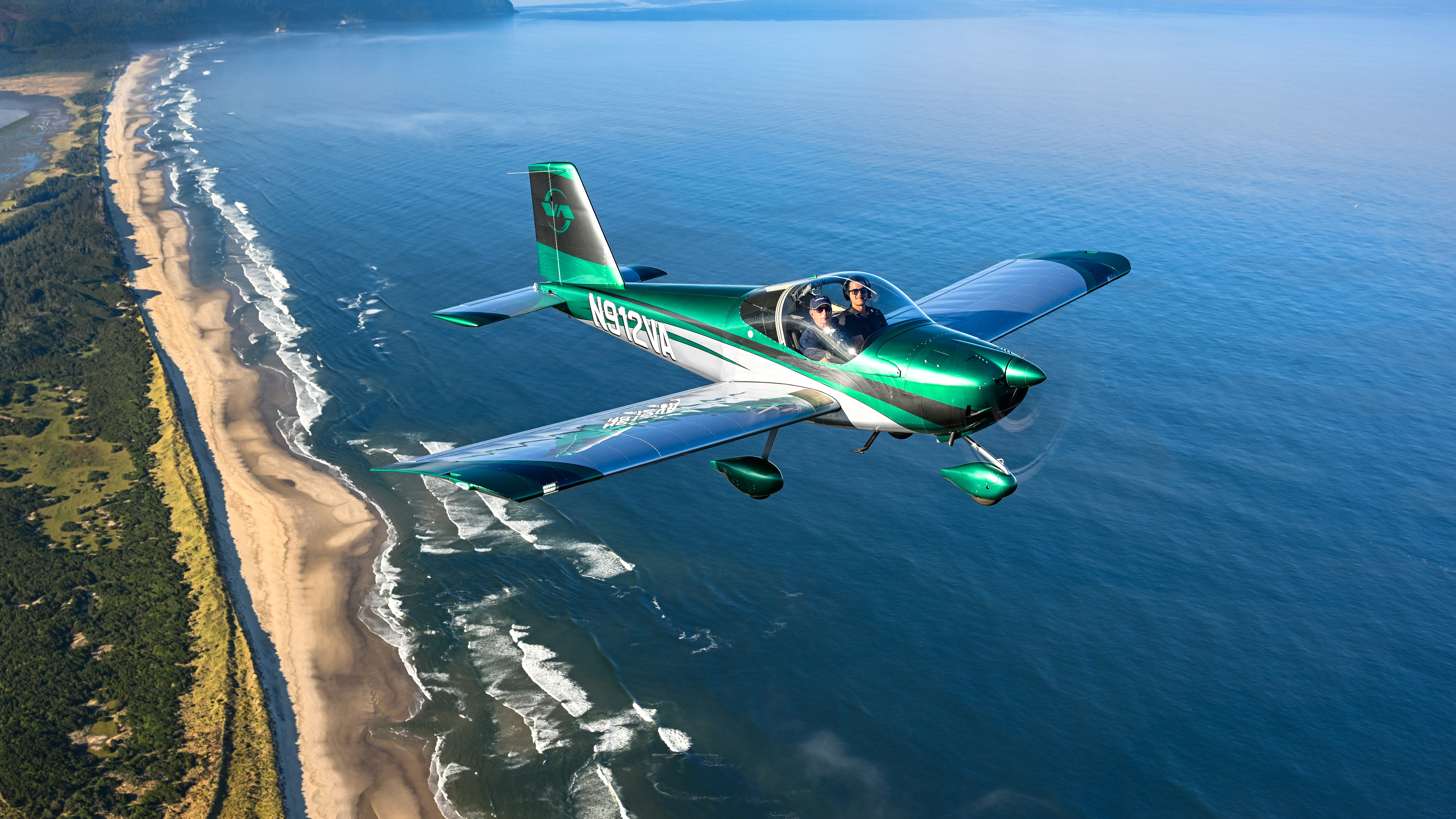
After MOSAIC’s 2025 adoption, the aviation community celebrated the immediate benefits: vastly expanded sport pilot privileges and a dramatic expansion of the light sport aircraft category. But far-reaching changes are likely to come at a slower pace, and they’re the result of MOSAIC’s newly enacted aircraft manufacturing and certification rules, which go into effect in July 2026.
The biggest MOSAIC change is bypassing the FAA’s costly and cumbersome Part 23 regulations for new, standard-category airplanes. Certifying a new aircraft under Part 23 typically takes many years and tens of millions of dollars—and many manufacturers pretty much stopped doing it. They shelved their plans for new aircraft because the certification process made them too expensive to ever expect a return.
MOSAIC gives an alternative to FAA type certificates and production certificates with statements of compliance, or SOCs. Manufacturers will use consensus standards to obtain SOCs that streamline the development and manufacturing of new light sport category aircraft. The SOC process is expected to take a small fraction of the time and expense of FAA Part 23 certification while giving manufacturers new freedom to design and build.
Retractable landing gear and variable-pitch propellers are allowed under MOSAIC, for example, and gross weight limits are completely removed in favor of performance-based standards.
As long as new light sport category aircraft stall at 61 knots or less in the landing configuration, for example, there’s no limit on how much they can weigh. There is, however, an upper limit on how fast they can fly: 250 knots calibrated airspeed. And a maximum of four seats are allowed in each aircraft, while just two can be occupied if the aircraft is being flown under sport pilot privileges.
ASTM International (formerly the American Society of Testing and Materials), which has long set consensus standards for U.S. light sport aircraft before MOSAIC, will continue performing that role in the future.
Industry officials said new applications to ASTM for aviation safety enhancements such as airbag seat belts, airframe parachutes, avionics, and structures are already in the works. The new focus on performance-based enhancements is meant to speed the pace of technical advancements.
The FAA will still have an important role to play after MOSAIC is fully adopted. The agency will issue special airworthiness certificates, review manufacturer SOCs, conduct audits, and accept consensus standards. But the FAA won’t directly approve the design and production process for each new aircraft model.
These changes are meant to bring new aircraft to market faster, lower barriers to entry for nontraditional manufacturers, attract more new investment, and provide new sources of capital. For pilots, MOSAIC is sure to lead to new aircraft that far outperform legacy models, and they’ll do so with much greater fuel efficiency.
A legacy Cessna 172, for example, flies about 110 knots and gets about 15 statute miles per gallon using leaded avgas. A Van’s RV–12 approved as a special light sport aircraft under ASTM standards flies at about the same airspeed but gets about 30 statute miles per gallon using unleaded car gas. New airplanes using a variety of electric, hybrid, hydrogen, and turbine power are sure to deliver higher speeds and greater fuel efficiency.
For decades, the experimental/amateur-built category drove aircraft performance increases. Kit manufacturers like Van’s Aircraft, Lancair, and Glasair provided aircraft kits that owners built themselves and delivered far greater speed, efficiency, and versatility than legacy aircraft at dramatically lower costs. But the safety record of experimental aircraft was never as good as FAA-certified airplanes.
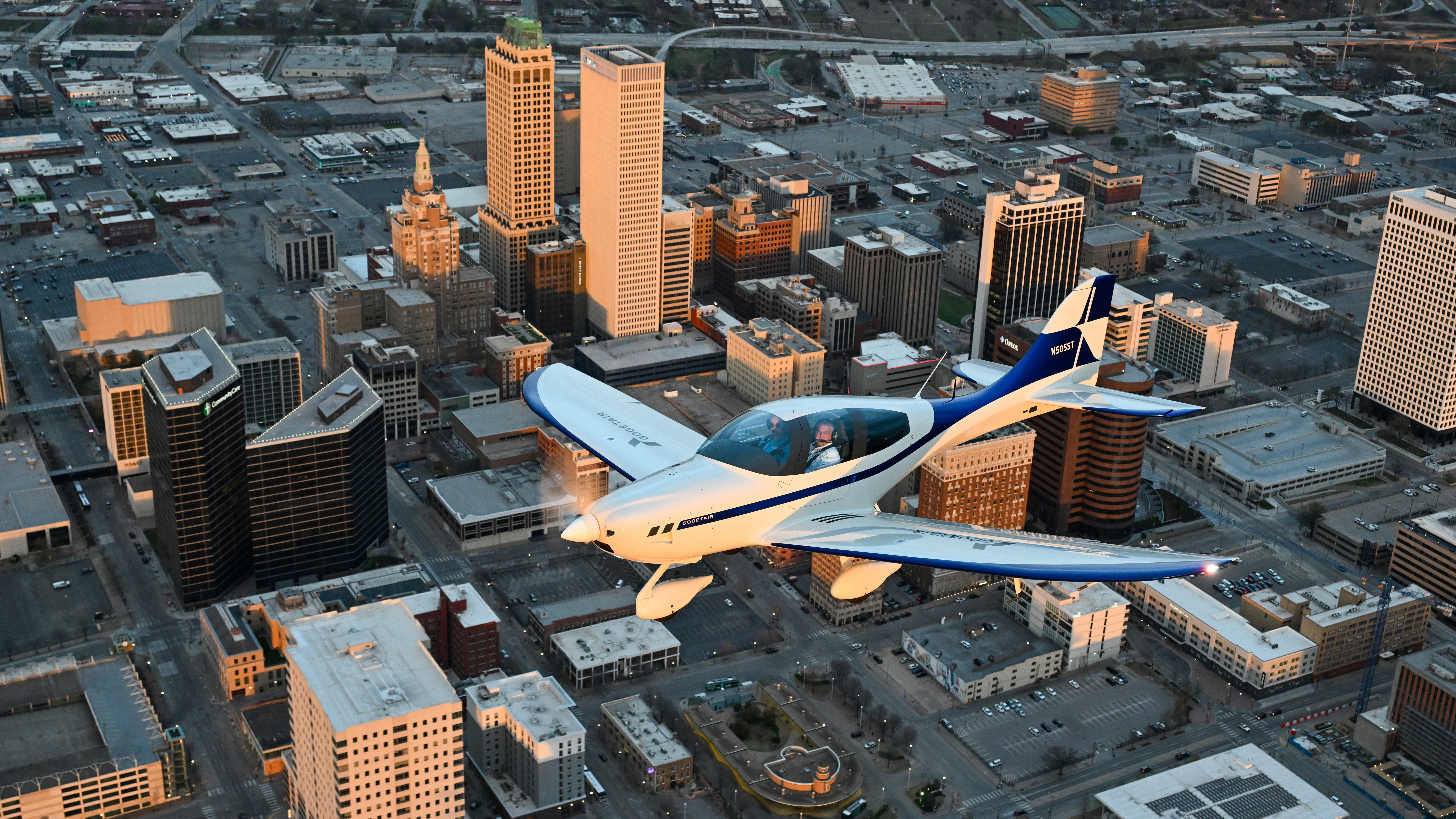
MOSAIC aims to give manufacturers more freedom and flexibility to produce newer, safer aircraft that also compete in performance terms. Some will come in the form of clean-sheet designs we’ve never heard of. Others could be familiar airframes such as the Van’s fleet, all of which were designed to FAA Part 23 but never certified. Presumably, they already meet ASTM consensus standards. MOSAIC is sure to shape flight training in the future.
In addition to a wider variety of new aircraft, sport pilots will need to seek out additional training to earn complex, night, and other endorsements to fly these high-performing airplanes. These and other changes will influence the market for new and legacy aircraft.
It’s unknown how MOSAIC will affect the economics of flying and flight training. Will newer, more efficient aircraft lower training costs? Will more new students lead to new investments in flight schools that create more pilots to satisfy future airline demand? But the changes already announced are the most significant in general aviation in more than a half-century—and they’ll have a profound impact on the future of flight as we know it.
Related Articles


