Get your click back
Landing is a perishable skill
Remember how hard you worked at nailing your landings in primary training? I drilled and drilled with my instructor, sometimes taxiing back to the hangar feeling deflated after a morning mix of sporadic-but-respectable landings and ballooning so intense, I swear I could hear my fully grown instructor softly crying on each impending climbout. I knew what I was doing wrong—I could recite it with pious precision. But I just couldn’t consistently translate the solution into coordinated inputs. I was failing to bleed off enough airspeed, flaring too early, and forcing the airplane down when it wasn’t ready to meet the runway.
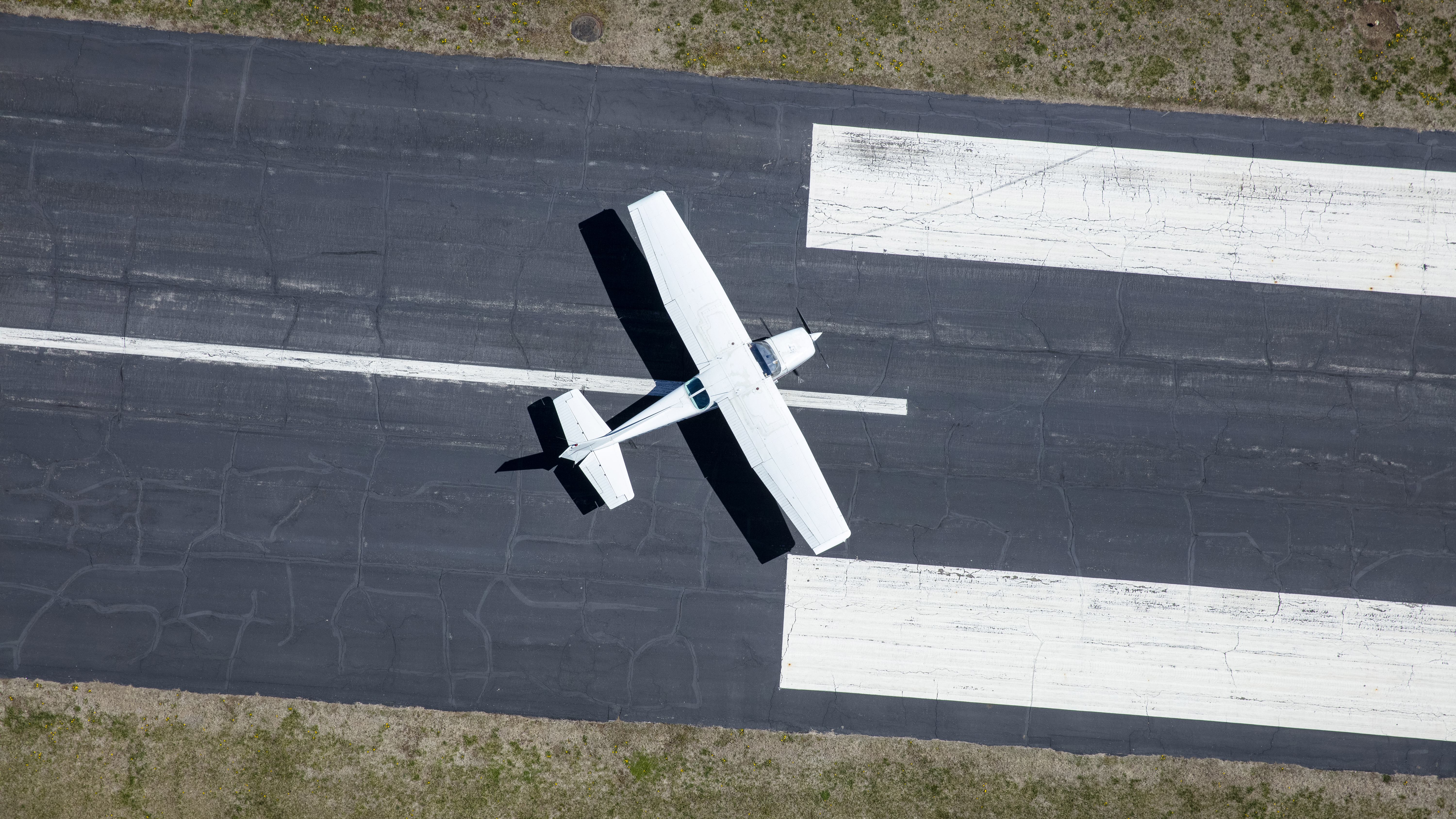
It seems that for all of us, at some point in training, there was a “click”—a moment when theory and practice finally converged, and we thought to ourselves, so that’s how you do it. From then on, aside from the occasional botched attempt, landing the airplane can feel almost automatic. But not long after my own private pilot checkride, life did its thing, and slowly I found myself spending less and less time renting airplanes. I spent 10 years away from the cockpit before taking advantage of AOPA’s Rusty Pilot course and hopping back into the left seat for proficiency training. Much of what I had learned returned quickly, but landings felt like starting from scratch. The click was gone, and coordinating rudder inputs felt like slow dancing in clown shoes. A better analogy might be learning to play piano, leaving it untouched for a decade, and then suddenly being asked to channel Elton John at the corporate Christmas party. Turns out, landing an airplane is not a skill; it’s a constellation of skills, and they depreciate as you go without practice.
According to the Airplane Flying Handbook, you’re more likely to experience an accident during approach and landing than any other phase of flight, so it makes sense to focus on these areas when returning to the cockpit after a long break. By reviewing common mistakes and identifying the hazards involved, you can strengthen your ability to anticipate those hazards and respond decisively—and eventually, reclaim your click.
Unstable approach
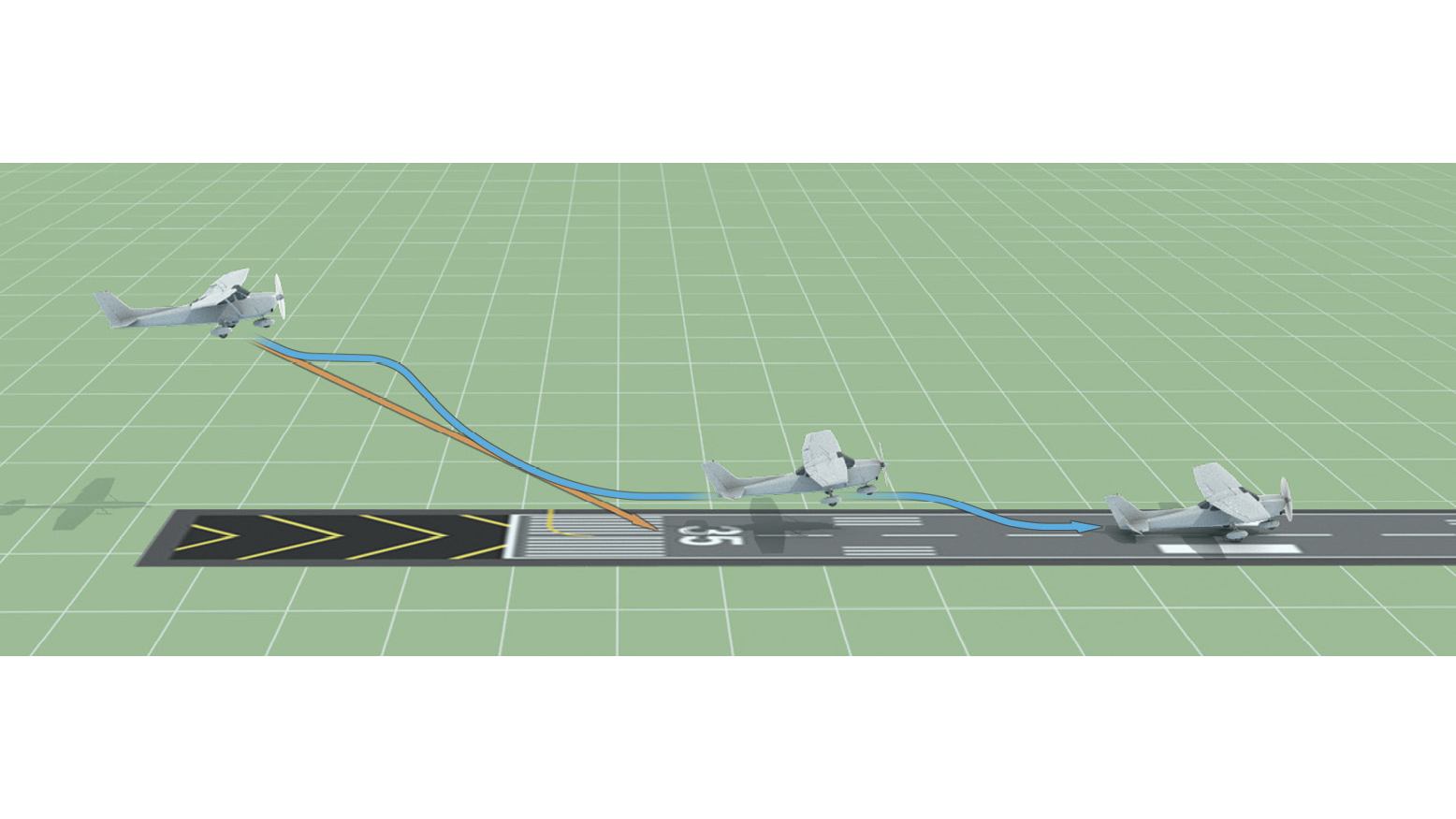
Our trusty Airplane Flying Handbook defines a stabilized approach as “one in which the pilot establishes and maintains a constant-angle glide path towards a predetermined point on the landing runway.” That’s short for stay on the glide path, and pilots use visual cues to gauge their position along that path. To achieve this, it is essential to maintain a constant rate of descent, and doing so requires a careful balance of airspeed, altitude, and distance. If you find yourself on final approach with too much airspeed—or in raising the nose to bleed off that speed, you gain too much altitude—your approach becomes unstable.
Some new and some rusty pilots, myself included, feel more comfortable carrying excess speed when descending to land because it feels safer. Those barn roofs and treetops appear awfully close at 1,000 feet agl, and when the controls feel mushy and less authoritative and the pit of your stomach is telling your brain that you’re falling from the sky, it’s natural to want to quiet that discomfort with a few more knots. But remember: When you transition to a roundout and flare just a few feet above the runway, you’re aiming for a sweet spot—holding that nose up at a high enough angle of attack so the airplane bleeds off that remaining energy and, just shy of stalling, gently settles down onto the pavement. Those knots you barter for on final approach are paid for at the flare. All that excess energy has to go somewhere. You might find yourself on an extended float down the runway, eating up the few and precious feet remaining between you and making friends with the treeline.
Antidote: Great landings begin before you enter the pattern. Know your airspeeds and commit to a stable approach. The airplane should be fully configured on final, and your airspeed should be right on the number (accounting for gust if necessary). If you’re too high, reduce power, kick that rudder, and apply opposite aileron to forward slip until you’re back on the glide slope. Remember, depending on where your pitot tube is located, your airspeed indication may be inaccurate in a forward slip. If you’re too fast, raise the nose a bit to bleed off some speed, recover, and again, forward slip if you’re high. If there’s any question, go around.
Ballooning
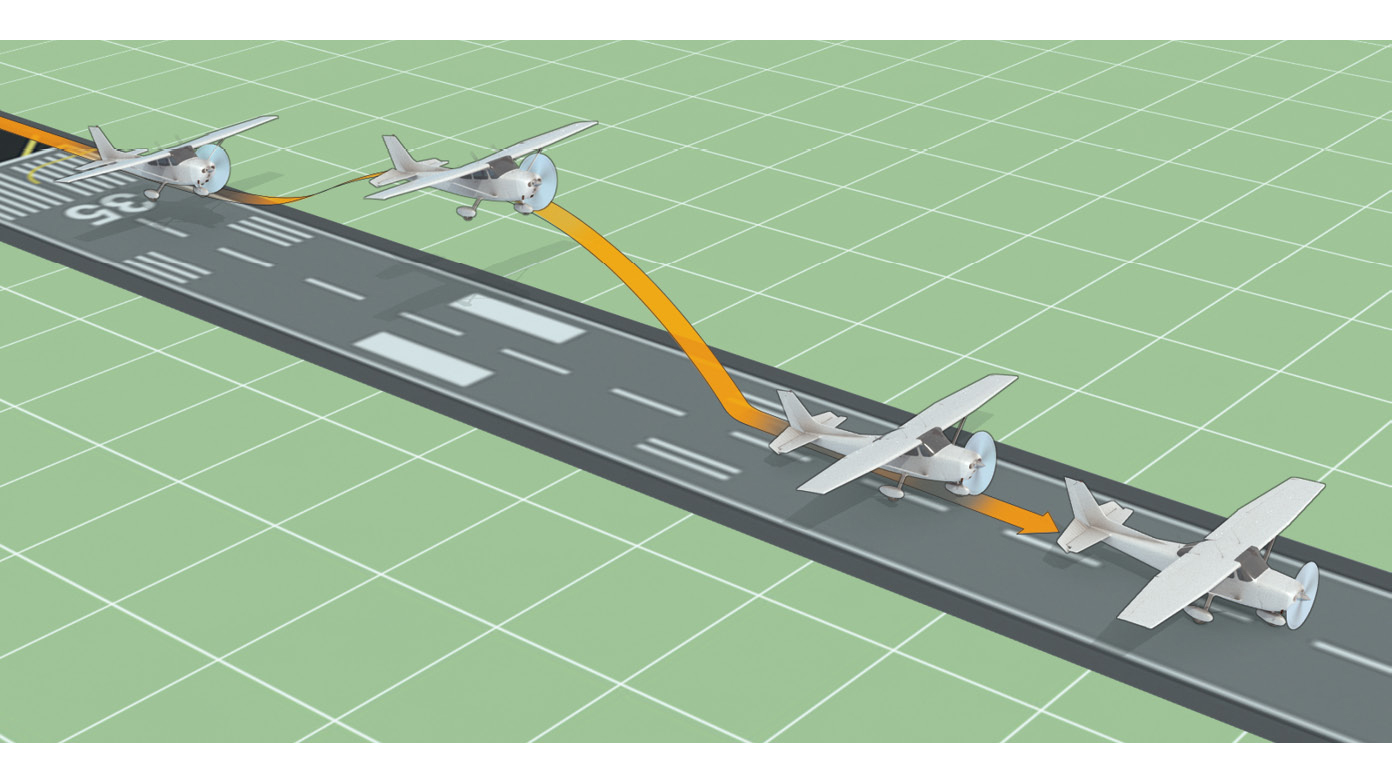
When a pilot raises the nose too high during the flare, lift is generated as the angle of attack is abruptly increased, amplified by ground effect and any excess airspeed carried into the maneuver. The aircraft then balloons above the runway and may stall. This surprise ascent often seduces pilots into aggressively pushing forward on the control column to counteract the nose-high attitude they just asked the airplane for. The result is a hard landing or a perfect setup for porpoising—more on that in a bit.
Antidote: You are not a stunt pilot; manage your roundout and flare with small, gradual inputs. An instructor once told me that there aren’t many times you’ll need more than a few fingers and a light touch on the stick. Landing, perhaps more than other phases of flight, can lend itself to white-knuckling the controls if the pressures on. Keep an eye on your approach speed, and if you balloon during a flare, resist the temptation to abruptly push forward on the control column and maintain your attitude with light inputs. Call it a mulligan and go around if the ballooning is intense.
Bounced landing and porpoising
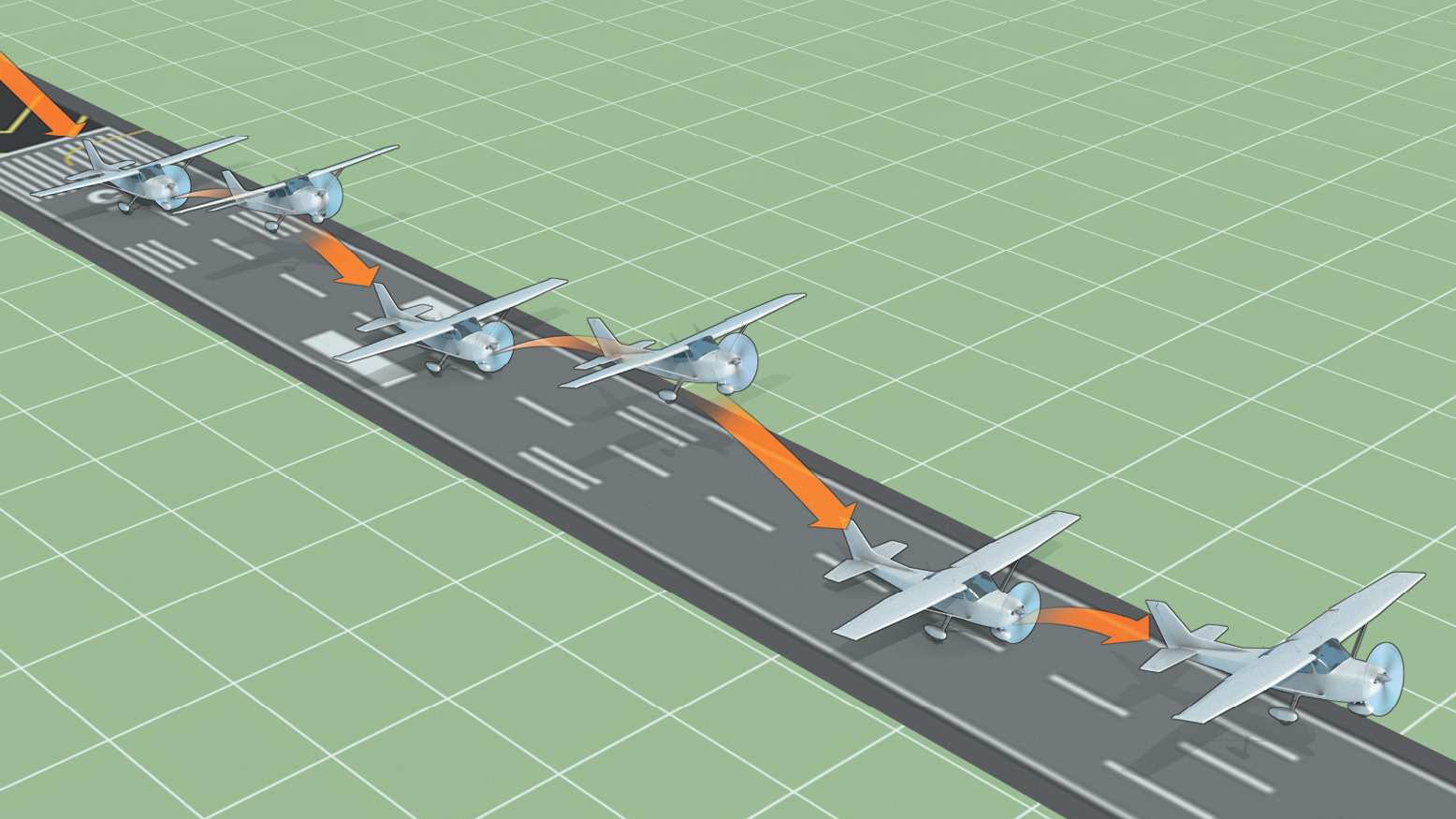
A bounced landing is just like it sounds. It’s similar to ballooning, but the aircraft’s landing gear impacts the ground before lifting back into the air. This can occur when forcing an airplane down onto the runway without bleeding off excessive airspeed or just as a result of touching down too hard. If overcorrected, the airplane may begin porpoising—a pilot-induced oscillation in which the aircraft, in apparent identity crisis, alternately climbs and dives down the runway, much like a porpoise jumps in and out of the ocean. Each subsequent impact with the runway becomes increasingly intense, risking significant damage to the airplane’s nosegear, a prop strike, and loss of control.
Antidote: Refrain from forcing the airplane back down onto the runway. If the bounce is minor, maintain the appropriate landing pitch attitude and allow the aircraft to settle. If severe, or if you suspect the airplane is beginning to porpoise, apply full power, anticipate that the nose will pitch up and yaw left at the higher rpm setting, and go around. Trying to wrestle the airplane out of thinking it’s a porpoise will only aggravate the problem.
Crosswind landing
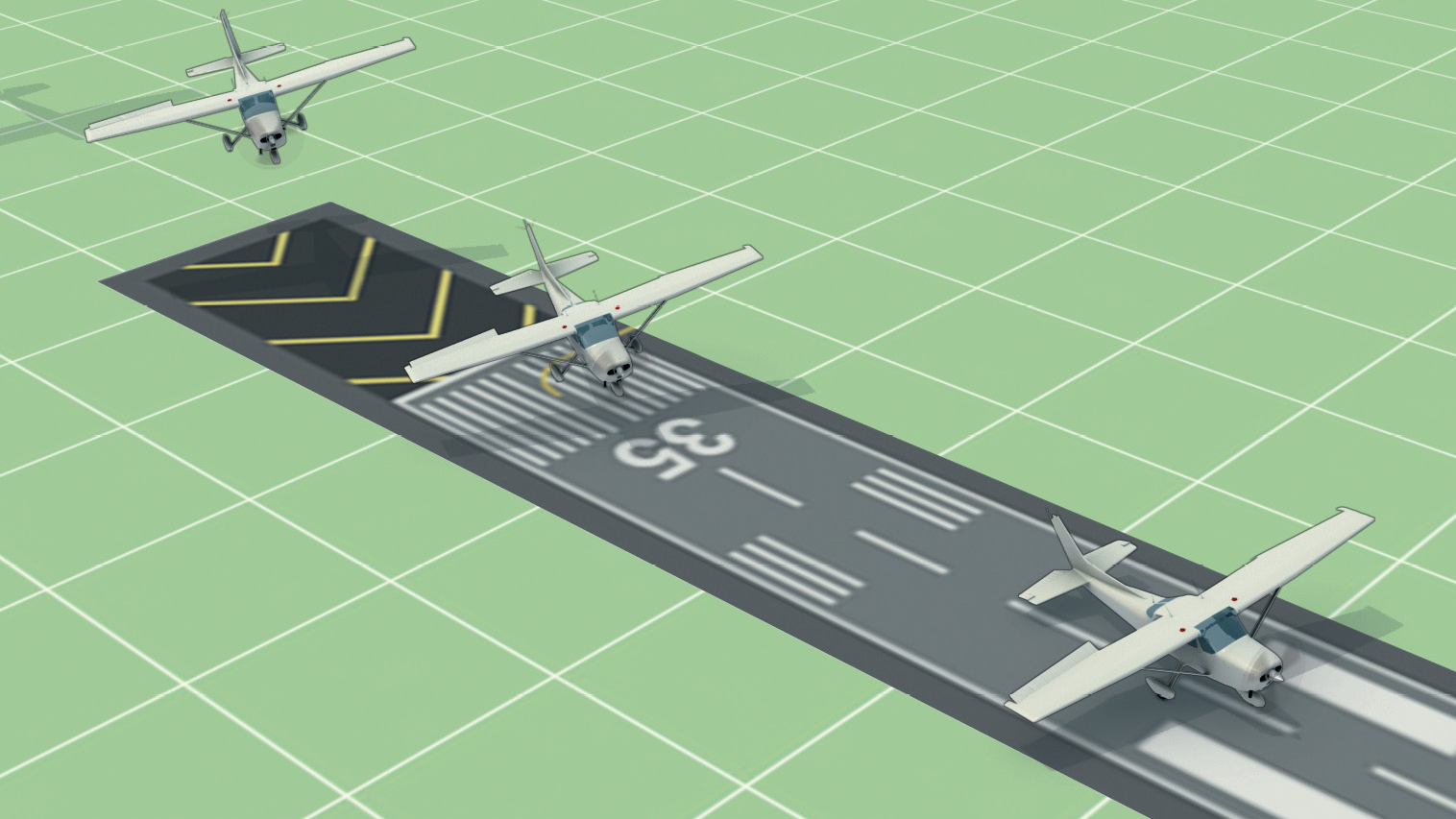
It can be challenging to maintain the runway centerline with a crosswind present. Without compensating, the aircraft will drift and lose the desired track. Pilots can crab, or point the nose, into the wind to track the runway, but forgetting to transition out of the crab and align the airplane’s longitudinal axis with the centerline just before touchdown places significant stress on the landing gear. You also risk a ground loop if you’re flying a tailwheel airplane.
Antidote: Continue to crab into the wind as you descend to track the extended centerline. This might feel strange because the airplane’s nose is pointed away from the runway. Just before touchdown, straighten the nose with the rudder and apply opposite aileron into the wind to perform a sideslip. This aligns the nose with the centerline and distributes the load equally across both landing gear. When you apply opposite aileron in a sideslip, you’re banking the airplane into the wind to prevent drift. Be careful not to overdo it; use small and smooth control inputs to avoid striking the runway with your wing, losing directional control, or ground looping your taildragger.
Behind the power curve
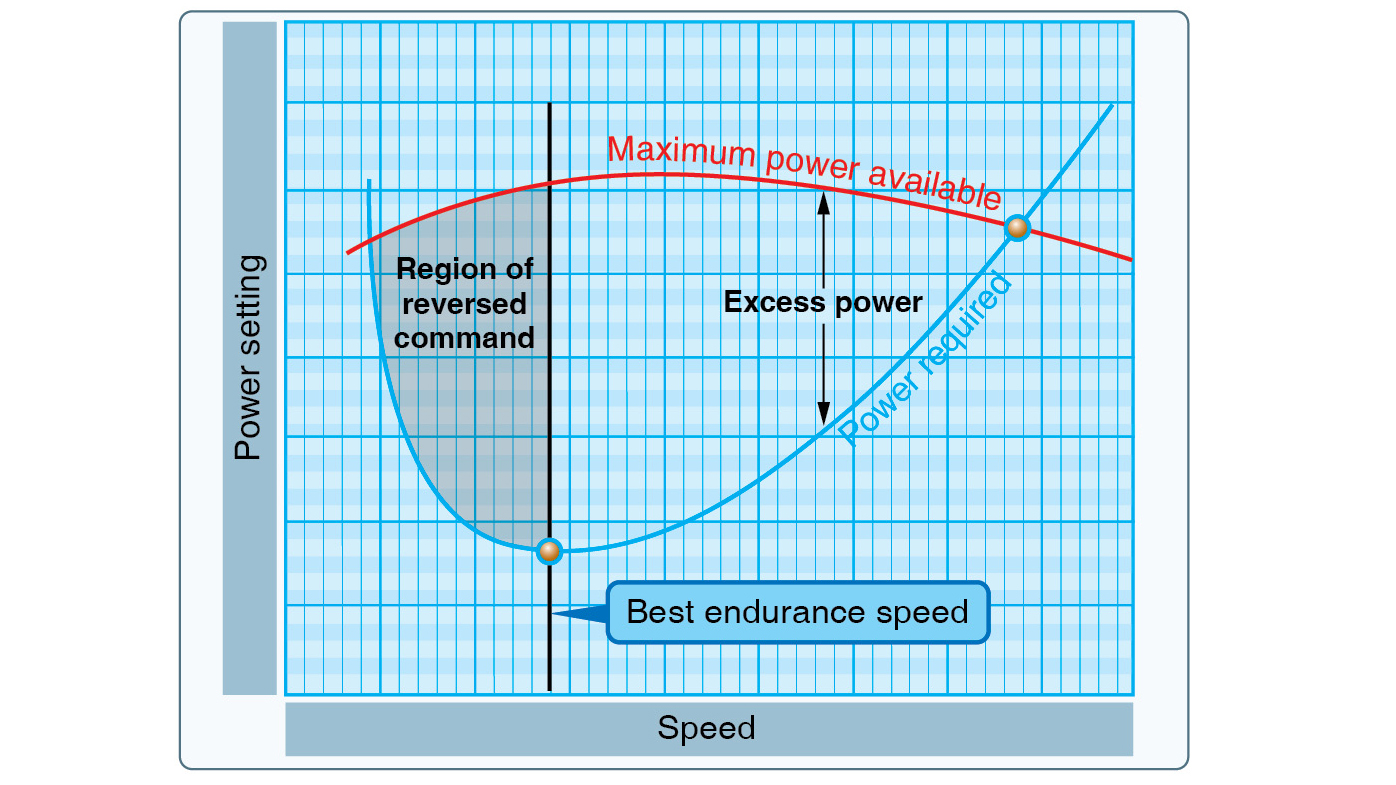
On final approach, you’re flying “behind the power curve,” where pitch controls airspeed and power controls altitude. If you sink below the glide path and pull back on the control column instead of applying power, you’ll lose airspeed, continue descending, and possibly stall the airplane at the worst possible moment—just above the ground with little to no margin for recovery.
Antidote: If you’re low, power go. If you’re slow, push the nose. The throttle is your very best friend on final approaches. And if things ever start to go sideways, the good news is: You’re in an airplane, and if the engine still works—as my good friend and CFI Jason Levine says before every flight—you can always blow that joint.
Related Articles


