Breathe easy
CO detectors save lives

CO is an odorless, tasteless gas that typically enters aircraft cabins through heater muffs over cracked exhaust pipes. In high concentrations, CO can cause nausea, disorientation, or even death.
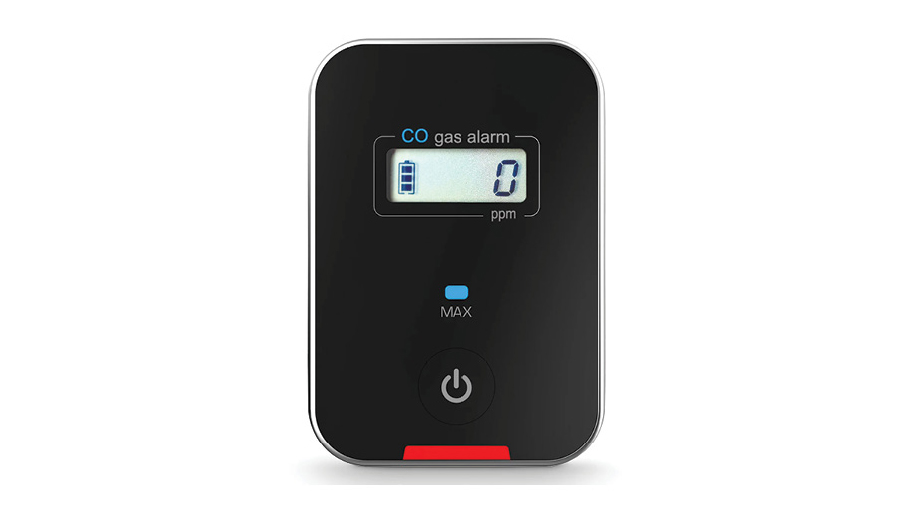
A growing variety of digital CO detectors are available for home, car, and aircraft use at prices ranging from $29 to more than $800. In recent years, Lightspeed has pioneered built-in CO detectors into its Delta Zulu headsets, Sentry has added them to Sentry ADS-B receivers, and Guardian Avionics has placed them in panel-mount avionics.
Most aviation CO detectors have adjustable alarm levels to prevent nuisance warnings and are equipped with aural and visual alarms.
The Occupational Safety and Health Administration considers CO levels of 101 parts per million or more “high” and can cause headaches and dizziness within two hours. The longer a person is subject to high CO levels, the more acute the symptoms become.
If pilots suspect CO exposure, they should immediately turn off cabin heaters, open vents or windows to bring in fresh air, and land as soon as practical in case the source is not the cabin heater.



Related Articles


